
Best European Countries for International Job Seekers (2026)


Which European country is best for an international job seeker? The honest answer depends on your profession, language, passport, salary expectations and tolerance for housing costs. A country that works brilliantly for a software engineer may be a poor fit for a newly qualified nurse or a warehouse worker.
This guide compares eight practical destinations and shows you how to choose. It uses official labour-market and immigration sources, but it does not promise that a shortage occupation guarantees a job or a visa.
Quick answer: Germany is a strong starting point for qualified trades and engineering; the Netherlands and Ireland appeal to many English-speaking professionals; Poland and Czechia can suit manufacturing and shared-services applicants; Luxembourg has high headline pay but tough competition and housing costs. Your best choice is the country where your skills match real vacancies and you can legally work.
Reviewed 12 November 2026. Job markets, pay and immigration rules change. Verify each offer with the destination’s official authority.
What makes a country good for international job seekers?
Do not choose from a salary ranking alone. Compare actual vacancies for your exact occupation and region, the language used at work, recognition of qualifications, immigration eligibility, net pay after deductions, local housing costs and career progression. The European Labour Authority’s 2025 report finds that shortages remain widespread but uneven. The same occupation can be in shortage in one country and surplus in another.
We therefore use “best” as a practical shortlist, not a universal league table. The countries below have different strengths and barriers. Check the latest region-specific data through EURES living and working information before committing to a move.
Best European countries for international job seekers: at a glance
| Country | Strongest fit to investigate | Main consideration |
|---|---|---|
| Germany | Engineering, skilled trades, healthcare, manufacturing | German language and qualification checks |
| Netherlands | Technology, logistics, engineering, international business | Housing costs and permit conditions |
| Ireland | Technology, life sciences, healthcare, finance | Housing availability and permit eligibility |
| Poland | Manufacturing, logistics, IT, shared services | Local salary and work-permit process |
| Czechia | Engineering, automotive, manufacturing, IT | Language and employer-specific permit steps |
| Sweden | Engineering, healthcare, selected technology roles | Language and cost of living |
| Portugal | Tourism, multilingual service, selected technology roles | Salary compared with rent in major cities |
| Luxembourg | Finance, logistics, technology, specialist services | Competition, languages and housing |
These are research starting points, not live vacancy counts or a promise of sponsorship. Confirm demand using current advertisements and official occupation data.
1. Germany: a broad market for qualified workers
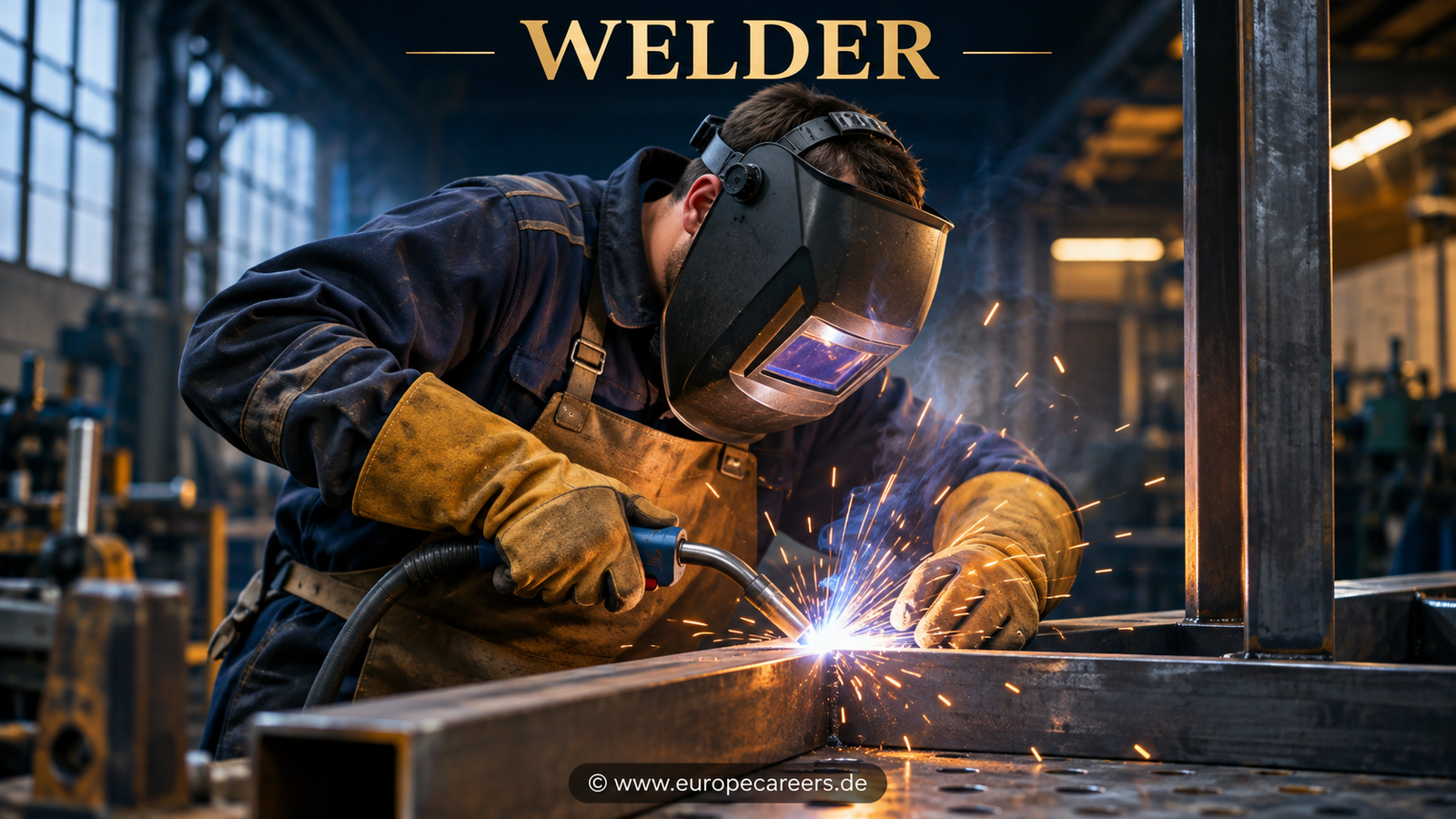
Germany is worth researching if you have a defined occupation and can document your training and experience. Manufacturing, engineering, healthcare and building trades offer a broad range of employers across multiple regions. Search beyond Berlin and Munich: smaller industrial centres may have relevant jobs and different housing costs.
For non-EU applicants, check the exact route on the official Make it in Germany visa pages. Routes differ for recognised qualifications, professional experience and regulated professions. An offer alone does not settle eligibility. Many customer-facing, clinical and safety-critical jobs require German, even when a recruiter conducts the first interview in English.
Best approach: identify your occupation, check recognition and language requirements, then target employers in regions with matching vacancies.
2. Netherlands: international employers and logistics

The Netherlands can be attractive for experienced candidates in technology, engineering, logistics and international business. Some employers work in English, but Dutch expands opportunities and makes daily administration easier. The Randstad region has many international firms, while other regions may offer different job and housing trade-offs.
Non-EU candidates should read the official employed-worker guidance for the Netherlands and check whether the employer can use an applicable route. Ask who the legal employer is if an agency is involved. Accommodation terms deserve particular scrutiny: request rent, deposit, room-sharing and commuting details in writing.
Best approach: compare an actual gross offer with likely net income and realistic housing options before accepting.
3. Ireland: an English-speaking option

Ireland removes a major language barrier for many applicants and has employers in technology, pharmaceuticals, finance and healthcare. That makes it appealing, but English-speaking demand can also mean strong competition. Housing can sharply affect the value of an otherwise attractive salary.
For applicants who need authorisation, study Ireland’s official employment permits guidance. Permit categories, occupation eligibility and pay conditions vary. Healthcare roles may also require professional registration.
Best approach: secure a role that fits a permit category and budget for housing in the actual work location, not just Dublin headlines.
4. Poland: manufacturing, logistics and international services

Poland offers opportunities across manufacturing, warehouses, IT and multinational service centres. Cities such as Warsaw, Kraków and Wrocław have different industry mixes and living costs. English may work in some international offices; Polish is valuable in operations, public services and everyday life.
Non-EU applicants should check the official employed-worker guidance for Poland and confirm the employer’s role in the permit process. Review the contract type, working hours, agency fees and accommodation terms closely.
Best approach: assess net pay and a specific city budget, then verify the employer and permit paperwork before travelling.
5. Czechia: industrial and technical careers
Czechia is a sensible shortlist candidate for experienced manufacturing, automotive, engineering and IT workers. Prague attracts international employers, while other industrial areas can offer relevant technical roles. Language requirements vary widely by employer and position.
For non-EU applicants, check the destination’s current official employee-card or other applicable route through the EU Immigration Portal and national authorities. Confirm whether your job and employer meet the required conditions before paying for translations or travel.
Best approach: apply to roles where your specific machinery, process or software experience clearly matches the vacancy.
6. Sweden: specialist roles and working conditions
Sweden can suit experienced candidates in engineering, selected technology fields and healthcare. English may be common in international teams, but Swedish is important for many public-facing and licensed professions. Job availability and competition can differ greatly by region.
Check job advertisements, professional recognition requirements and official migration guidance before treating a vacancy as an immigration route. Build a budget that includes local housing and taxes. Sweden has no national statutory minimum wage; pay is often shaped by collective agreements, so review the actual contract. Eurostat’s 2026 minimum-wage overview notes that Sweden is among the EU countries without a national minimum wage.
Best approach: target your specialist niche and verify both language and contract conditions early.
7. Portugal: multilingual services and lifestyle
Portugal draws job seekers interested in tourism, hospitality, multilingual support and selected technology roles. Lisbon and Porto have international employers, but housing costs can narrow the gap between salary and monthly expenses. Seasonal roles should be assessed differently from permanent jobs.
Portuguese can improve your options even when a role advertises English. Non-EU candidates should verify the applicable national route and distinguish a genuine employment offer from a recruiter’s informal promise.
Best approach: compare take-home pay against rent in the exact city and check whether the contract is seasonal, fixed-term or permanent.
8. Luxembourg: high pay, high entry bar
Luxembourg can be compelling for finance, technology, logistics and specialist service roles. Its headline pay levels are high: Eurostat reported the EU’s highest national monthly minimum wage there in January 2026. That figure is a wage floor, not a forecast for your occupation, and high housing costs can absorb much of the difference.
Employers may value French, German, English or Luxembourgish depending on the role. The compact market can be competitive, especially for applicants without relevant experience or language skills.
Best approach: compare the complete offer and housing plan with alternatives in neighbouring countries.
EU citizens, non-EU citizens and the reality of sponsorship
EU citizens can generally work in another EU country without a work permit, subject to applicable residence conditions. If you are a non-EU citizen, your right to work depends on national rules and the category that fits your occupation and offer. The EU Immigration Portal is a starting point for official country-specific information.
“Visa sponsorship” is not one Europe-wide scheme. Ask the employer what they will actually do: provide a signed contract, submit documents, apply for approval, pay specified fees or help with relocation. A shortage list does not waive salary, qualification or licensing requirements. Never assume that a residence permit in one country lets you take employment in another.
How to compare salaries without being misled
Build your comparison from real offers for the same role and region. Write down base gross pay, guaranteed hours, shift premiums, overtime rules, tax and social-insurance deductions, rent, utilities, commuting and first-month relocation expenses. Do not use optional overtime to fund essential costs.
National minimum wages are useful context, but they are not average salaries. Eurostat’s January 2026 release reports a wide range across EU countries and notes that some countries have no national statutory minimum wage. Compare purchasing power and your actual contract rather than ranking countries by one headline number.
How to choose your country and start applying
- Choose one main occupation. List your qualifications, licences, recent duties and language level.
- Shortlist three countries. Check current vacancies for your exact job and region on EURES and national public employment services.
- Verify legal eligibility. Read the official work-permit route and recognition rules before applying widely.
- Build a local budget. Compare estimated take-home pay with realistic housing and transport costs.
- Tailor your CV. Use the employer’s language and show the tools, outcomes and experience relevant to the role. Europass can help you prepare a clear CV.
- Apply directly where possible. Keep a tracker of employer, role, date, contact and response.
- Check the written offer. Confirm the legal employer, location, salary, hours, deductions, housing and permit responsibilities.
For a deeper application walkthrough, read our Complete Guide to Finding Jobs in Europe. If your background is practical or technical, our Blue Collar Jobs in Europe</a draft covers trade-specific considerations.
Watch for recruitment scams
Check the employer’s official website independently and verify the recruiter’s email domain. Request a written contract and do not send money to personal accounts for a “guaranteed visa.” EURES fraud guidance warns against offers involving the receipt or forwarding of money and early requests for bank-card information.
Frequently asked questions
Which European country is easiest to get a job in as a foreigner?
There is no universal easiest country. Your profession, language, passport and permit eligibility determine which applications are realistic. Start where current employers need your exact skills.
Which European country is best for English-speaking job seekers?
Ireland is an obvious English-language option. Some international employers in the Netherlands, Germany, Luxembourg and other countries also use English, but the local language may still be required for the role or daily life.
Which country pays the highest salary?
Luxembourg has a high national minimum wage, but your earnings depend on your occupation and offer. Compare net income and housing costs rather than headline pay.
Can I work in Europe without a university degree?
Many trades, logistics, hospitality and service roles do not require a degree. They may still require vocational training, licences, experience or a specific immigration route.
Does a shortage occupation guarantee a visa?
No. It indicates labour-market demand. The employer and applicant must still meet the destination’s current legal requirements.
Should I move before finding work?
That depends on your right to work, financial position and the country’s rules. Non-EU candidates should be especially careful about travel and work authorisation. A verified written offer and a housing plan reduce risk.
Choose the country that fits your career
The best European destination is the one where your skills match a real employer, the legal route is clear, and the complete offer supports the life you want. Use this shortlist to narrow your search, then verify each vacancy, work-permit condition and budget with official sources before making a move.



[…] Continue with our complete job-search guide, work-visa guide and country comparison. […]
[…] For broader job-search preparation, read our Complete Guide to Finding Jobs in Europe and country comparison. […]
[…] For a broader comparison, read Best European Countries for International Job Seekers. […]
[…] our Complete Guide to Finding Jobs in Europe for broader job-search tactics and our country comparison to shortlist destinations. The EURES fraud guide explains warning signs such as fake sender domains […]