Practical Training
Develop occupational skills through supervised workplace experience.
Discover Germany's dual vocational training system, combining practical workplace experience with structured vocational education. Europe Careers helps eligible candidates understand the requirements and prepare for their journey.
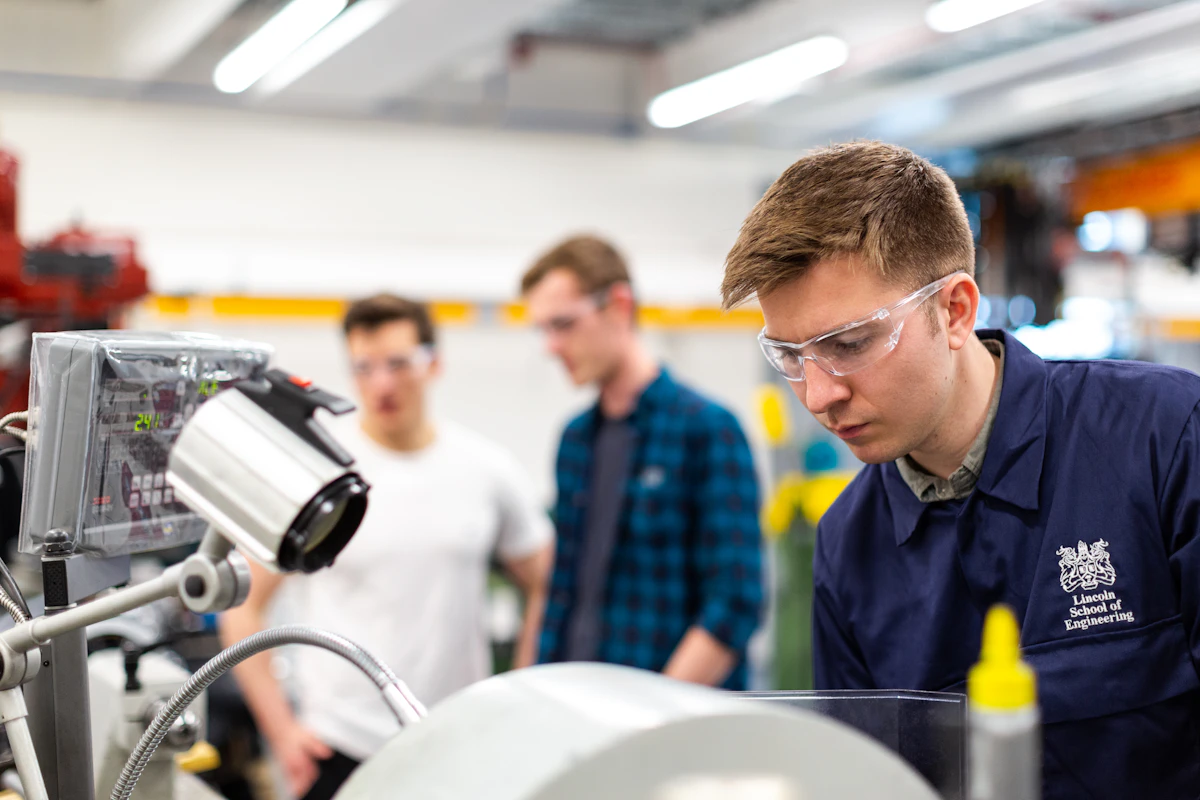
Ausbildung is Germany's vocational training pathway, designed to combine practical workplace learning with vocational education. Depending on the occupation and program, trainees learn professional skills while gaining real-world experience.
Develop occupational skills through supervised workplace experience.
Learn the theoretical knowledge required for your chosen profession.
Build relevant qualifications and practical experience for future career opportunities.
Germany’s dual vocational system spans over 300 recognized trades. Explore some of the most sought-after training fields for international trainees.
 Healthcare
Develop practical patient-care skills and clinical training while completing accredited nursing theory in German healthcare institutions.
 Hospitality
Learn front-office operations, guest relations, and service management through hands-on practice in Germany's established hotel sector.
 Technology
Gain dual training in application development, network administration, and IT systems integration within modern tech environments.
 Engineering
Combine mechanics, electronics, and digital automation to service, assemble, and optimize modern industrial machinery.
 Technical Trades
Master electrical circuitry, industrial installations, and energy systems maintenance aligned with standard German safety regulations.
 Gastronomy
Train in professional culinary kitchens and artisanal bakeries, learning food science, preparation techniques, and hygiene management.

Review the primary criteria required to pursue dual vocational training in Germany.
Completion of secondary education (or higher) recognized as relevant to your selected vocational trade.
Demonstrated German proficiency (typically B1–B2) matching training school and employer standards.
A valid international passport alongside certified, translated educational certificates and CV.
Genuine commitment, adaptability, and active readiness to balance workplace tasks and school classes.
Fulfillment of individual company requirements assessed through interviews and profile evaluations.
Meeting official criteria set by the German Federal Employment Agency and local embassies.
Important Note: Exact eligibility requirements vary by occupation, specific training provider, employer policies, and current German immigration regulations.
German language skills are an important part of preparing for Ausbildung in Germany. Europe Careers offers German language learning pathways and preparation guidance to help candidates work toward the language level required for their chosen program.
Learn fundamental daily phrases, basic introductions, alphabet, and essential vocabulary to start your language foundation.
Learn More →Communicate routine matters, comprehend common workplace instructions, and handle standard social exchanges.
Learn More →Develop independent communication to navigate school subjects, professional discussions, and standard workplace tasks.
Learn More →Attain advanced fluency required for complex vocational subjects, technical terminologies, and hospital/corporate roles.
Learn More →A structured, supportive six-step pathway from your first consultation to starting your vocational career in Germany.
Understand your education, interests, and preferred occupation.
Review the relevant educational, language, and program requirements.
Prepare for the required language proficiency and any relevant examinations.
Organise application documents and prepare for employer or training-provider selection.
Prepare for interviews and follow the relevant employer selection process.
Receive guidance on the applicable visa documentation and departure preparations, subject to eligibility and official decisions.
Planning your journey requires clarity on potential allowances, preparation expenses, and day-to-day living costs in Germany.
Some Ausbildung programs provide monthly remuneration according to the relevant training contract and occupation.
German language learning, examinations, document preparation, translations, travel, and other costs may apply.
Accommodation, food, transport, insurance, and other living costs depend on the city and individual circumstances.
Important Notice: Training remuneration, living expenses, and overall costs vary significantly by chosen occupation, host employer, training location, contract agreements, and personal lifestyle.
A well-structured dossier is essential for employer reviews and official processing. Review the standard documentation requirements below.
We provide professional end-to-end guidance to help eligible applicants prepare realistically and effectively for German vocational training.
Individual profile evaluations to help you select a vocational trade aligned with your strengths and academic background.
Structured language learning pathways and exam coaching designed specifically for the German vocational and workplace environment.
Assistance with structuring standard German Lebenslauf (CVs) and compelling letters of motivation required by providers.
Mock interview sessions and professional etiquette training to help you communicate clearly and confidently with employers.
Clear guidance on gathering, translating, and legalizing necessary academic transcripts and legal certificates accurately.
Step-by-step guidance on official embassy requirements, appointment preparation, and essential pre-departure advice.
Find verified, realistic answers to the most common questions regarding vocational education in Germany.
Ausbildung is Germany’s state-recognized dual vocational training pathway. It combines theoretical classroom education at a vocational school (Berufsschule) with supervised practical, on-the-job training at an approved German company or organization.
Anyone who meets the minimum educational criteria, possesses the necessary German language proficiency, and demonstrates genuine motivation for vocational training can apply. Both European and non-EU international applicants are eligible under current German regulations.
Most programs require secondary school completion (equivalent to a German Hauptschulabschluss, Realschulabschluss, or Abitur / 10th or 12th standard completion). Precise qualification requirements depend heavily on the specific vocational trade and employer preferences.
Most training providers require B1 to B2 level German (CEFR standard), because technical classroom education, trade tests, and daily workplace interactions are conducted in German. Technical and patient-facing fields (such as Nursing and IT) generally mandate B2.
In standard dual vocational training (betriebliche Ausbildung), trainees receive a monthly training stipend (Ausbildungsvergütung) from their employer. The exact amount depends on the trade, regional tariff agreements, and individual training contracts.
An Ausbildung program typically lasts between 2 and 3.5 years, depending on the regulations of the chosen occupation, prior academic qualifications, and the trainee’s progress during training.
Yes. International candidates outside the EU can apply. They must achieve the required German language proficiency, secure an eligible training contract with a German company, and apply for the relevant vocational training visa.
Standard documents include an active passport, translated academic certificates, a German-standard CV, a letter of motivation, certified language examination certificates (Goethe, telc, or ÖSD), and training contracts when issued.
Yes. To apply for a vocational training visa (under Section 16a of the German Residence Act), applicants typically need a valid training contract signed with an employer alongside confirmation of vocational school enrolment.
No. Europe Careers does not guarantee admissions, company selections, or visa outcomes. Final decisions are made exclusively by German training companies, vocational institutions, and official German immigration authorities. We provide professional preparation, language training, and documentation guidance to support your journey.
Take the first step toward your vocational career. Share your profile with Europe Careers to discuss suitable training pathways, language preparation, eligibility, and application requirements.