Electrician Ausbildung in Germany for Indian Students
Explore electrician vocational training in Germany, combining practical workplace learning with technical education. Europe Careers helps Indian candidates understand eligibility, German language preparation, application requirements, and the next steps towards a technical career.
What Is Electrician Ausbildung in Germany?
Electrician Ausbildung is Germany's state-regulated dual vocational training system across electrical and electronic engineering disciplines. Rather than studying only in classrooms, trainees alternate between an accredited employer and a vocational school.
Candidates choose from specific occupational pathways—such as building systems, industrial manufacturing, or energy infrastructure. Training regulations and overall duration (typically 3 to 3.5 years) depend on the exact trade profile chosen:
The Training Company (Ausbildungsbetrieb)
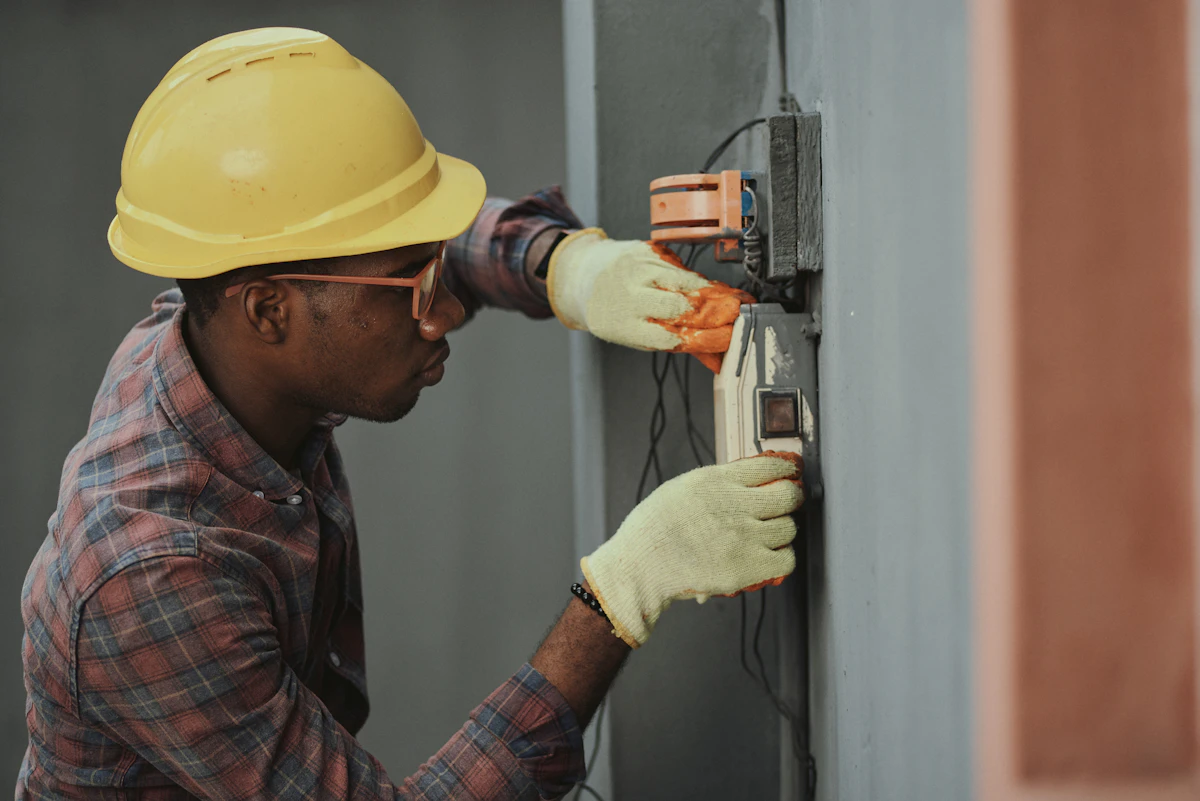
You work directly on electrical installations, cable laying, switchboards, machinery wiring, safety tests, and maintenance on live industrial or commercial sites under certified Meister supervisors.
Includes monthly training remuneration (Ausbildungsvergütung) paid by the host employer.
Vocational School (Berufsschule)
You attend state vocational school classes to learn electrical engineering principles, circuit mathematics, DIN/VDE safety standards, technical schematics, and specialized technical German.
Directly prepares trainees for official IHK or HWK trade examinations.
Why Choose Electrician Ausbildung in Germany?
The transition towards renewable power, building automation, and industrial modernization makes electrical skills some of the most stable and respected across the German economy.
Practical Technical Learning
Develop hands-on electrical expertise through structured on-site work and modern workshop training with real electrical equipment.
Engineering Fundamentals
Master electrical circuits, power distribution, circuit breakers, measuring instruments, and digital control electronics.
Building & Industrial Applications
Explore electrical power systems used across residential properties, automated factories, utility infrastructure, and renewable setups.
Earn During Training
Dual vocational trainees receive a guaranteed monthly stipend under their training contract, helping manage living expenses without tuition fees.
Recognised Qualification
Earn a certified German Gesellenbrief or Facharbeiterbrief through the Chamber of Crafts (HWK) or Chamber of Commerce (IHK).
Long-Term Development
Explore career pathways toward senior technician roles, Meister craftsman certification, state-certified engineer (Techniker), or engineering study.
Electrician Training Specialisations in Germany
The German electrical trade comprises distinct recognized occupations with tailored training curricula. Explore the pathway matching your technical strengths:
Check Your Eligibility for Electrician Ausbildung in Germany
The dual vocational system allows applicants from diverse educational stages to qualify, with individual companies establishing their own entry criteria:
Class 10 Pass Students
Candidates with Class 10 can apply for vocational positions where employers accept lower secondary school equivalence (Hauptschulabschluss / Realschulabschluss). Strong marks in mathematics and physics are advantageous.
Class 12 Pass Students
Students completing Class 12 with Physics, Mathematics, or technical electives possess strong theoretical foundations that make them competitive for building or industrial technology apprenticeships.
ITI Electrician Candidates
Candidates holding ITI trade certificates in Electrician, Wireman, or Electrical Maintenance can highlight their existing workshop skills, tools familiarity, and hands-on wiring experience.
Diploma Holders
Candidates holding 3-year polytechnic diplomas in Electrical or Electronics Engineering bring robust technical foundations valued by German engineering firms for complex electrical roles.
German Language Level B2 Is Our Minimum Target for Electrician Ausbildung Candidates
Working with high-voltage circuits, switchboards, and heavy machinery carries strict workplace safety responsibilities under German industrial standards. For this reason, Europe Careers sets B2 German proficiency as the minimum target for candidates embarking on this technical pathway.
Please note: While official visa regulations or individual employers may set specific baseline standards, Europe Careers advises all candidates to reach verified B2 proficiency before submitting company applications to ensure successful interview and training outcomes.
Plan My B2 German Preparation
What Will You Learn During Electrical Training?
The dual vocational curriculum combines rigorous theoretical physics and electrical principles with direct hands-on workshop mastery across 12 practical modules:
Training Duration and Structure
The training duration depends on the specific trade (typically 3.5 years for Elektroniker trades and 2 years for Industrieelektriker). Training progresses through structured stages:
Stage 1: Electrical Foundations & Workshop Safety
Manual and tool training, basic circuit construction, safety regulations (VDE), measurement of electrical quantities, and foundational vocational school classes.
Stage 2: Installation Technology & Intermediate Exam (Part 1)
Installation of building or industrial circuits, switchboard assembly, wiring distribution cabinets, and sitting for the official Abschlussprüfung Teil 1 / Zwischenprüfung.
Stage 3: Advanced Control, Automation & Troubleshooting
Commissioning systems, programming control units, diagnostic troubleshooting in complex installations, and coordinating with construction or production teams.
Stage 4: Final Practical Project & Chamber Examination (Part 2)
Executing an independent company project, submitting technical documentation, and completing practical and oral examinations for the Gesellenprüfung / Facharbeiterprüfung.
Understand Training Income and Living Expenses
Dual vocational training does not involve university tuition fees. Trainees receive a monthly training allowance (Ausbildungsvergütung) set by the employment contract and applicable collective agreements (Tarifverträge), which increases with each completed year.
Planning a realistic monthly living budget is essential to ensure a smooth transition:
Contractual Allowance
Gross monthly stipends commonly range from approximately €850 to €1,150+ in Year 1, rising toward €1,050 to €1,300+ in later years depending on region, industry, and collective agreements. Statutory social security contributions are deducted automatically.
Career Opportunities After Completing Electrical Training
Certified electrical technicians enjoy broad employment options across German infrastructure, manufacturing, and building sectors:
Industries and Work Environments
Electrical skills are required across Germany's most resilient industrial sectors:
Your Electrician Ausbildung Journey, Supported by Europe Careers
Preparing for electrician Ausbildung in Germany requires planning around the selected occupation, educational background, B2 German language proficiency, applications, training contracts, and visa documentation. Europe Careers helps candidates understand the pathway and prepare for the next steps within the agreed scope of services.
Profile Assessment
Review educational qualifications, ITI trade records, technical strengths, and professional career goals.
Eligibility Guidance
Understand the specific requirements relevant to your chosen electrical occupation and training company expectations.
B2 Language Planning
Structured German language roadmaps designed to help you reach Europe Careers' minimum B2 target.
Application Preparation
Developing German-standard CVs (Lebenslauf), technical motivation letters (Anschreiben), and certified translations.
Opportunity Guidance
Where relevant verified training vacancies are available, understand employer requirements and application timelines.
Interview Preparation
Coaching on explaining your technical motivation, handling video interviews, and communicating in German.
Documentation Support
Organizing educational apostilles, sworn German translations, school marksheets, and passport documentation.
Visa & Relocation Support
Guiding you through Section 16a Vocational Training Visa submission and practical departure preparation.
Start Your Electrician Ausbildung Journey
Contact Europe CareersDocuments Checklist for Indian Candidates
Accurate, verified documentation is necessary for employer review and German vocational training visa processing:
Academic & Identification Records
- Valid International Passport: Showing identity and citizenship details.
- Class 10 Certificate & Mark Sheet: Verified proof of secondary schooling.
- Class 12 Certificate & Mark Sheet: If completed (Science / Math preferred).
- ITI / Diploma Trade Certificates: Complete trade marksheets where applicable.
- Technical Work Experience Proof: Letters verifying electrical apprentice or technician work.
Application & Visa Records
- German Standard CV (Lebenslauf): Chronological tabular format in German.
- German Motivation Letter (Anschreiben): Explaining specific interest in the electrical trade.
- B2 German Certificate: Goethe-Zertifikat, telc, or ÖSD B2 examination certificate.
- Signed Training Contract (Ausbildungsvertrag): Registered with the competent IHK/HWK.
- Financial & Health Insurance Proof: Compliant with German embassy visa regulations.
Application Process for Indian Candidates
A transparent, structured path from qualification review in India to starting your technical training in Germany:
Review Qualifications & Technical Interests
Evaluate your school marksheets (Class 10/12/ITI/Diploma) and select the electrical specialization matching your vocational career goals.
Reach the B2 German Language Target
Complete structured German language courses in India, achieving certified B2 proficiency to ensure effective communication in school and workshop.
Prepare a Professional Application Dossier
Draft your German-format CV (Lebenslauf), customized motivation letter (Anschreiben), sworn translations, and educational apostilles.
Apply for Suitable Electrician Ausbildung Positions
Submit applications to German electrical contractors, manufacturing plants, or utility providers with accredited training positions.
Attend Employer Interviews & Secure Contract
Interview with German technical recruiters and trainers. Upon selection, receive your official dual vocational training contract (Ausbildungsvertrag).
Apply for the Vocational Training Visa (§ 16a)
Submit your verified visa application at the German Embassy or Consulate in India, arrange statutory health insurance, and plan your relocation.
Ausbildung Visa and Relocation to Germany
Indian trainees apply under Section 16a of the German Residence Act (§ 16a AufenthG - Residence for in-company vocational training). Europe Careers maintains B2 as our minimum candidate language target to support strong visa and training outcomes.
Understand My Visa PathwayCore Visa Requirements (§ 16a AufenthG):
- Signed Ausbildungsvertrag: Training contract registered with the competent Chamber (IHK or HWK).
- Federal Employment Approval: Advance clearance (Vorabzustimmung) from the Federal Employment Agency (BA).
- German Language Proficiency: Valid language certification (Europe Careers candidate target: B2).
- Subsistence Evidence: Monthly training remuneration meeting German subsistence criteria.
- Health Insurance: Proof of statutory health insurance coverage before departing India.
Common Questions About Electrician Ausbildung
Clear, factual information regarding language requirements, eligibility, stipend regulations, and vocational visas in Germany:
Build Your Future in German Electrical Engineering
Explore electrician Ausbildung in Germany, prepare for B2 German proficiency, and plan your technical training journey with Europe Careers.