Industrial Metal Fitter Jobs in Slovakia – Skills, Experience and Recruitment Process
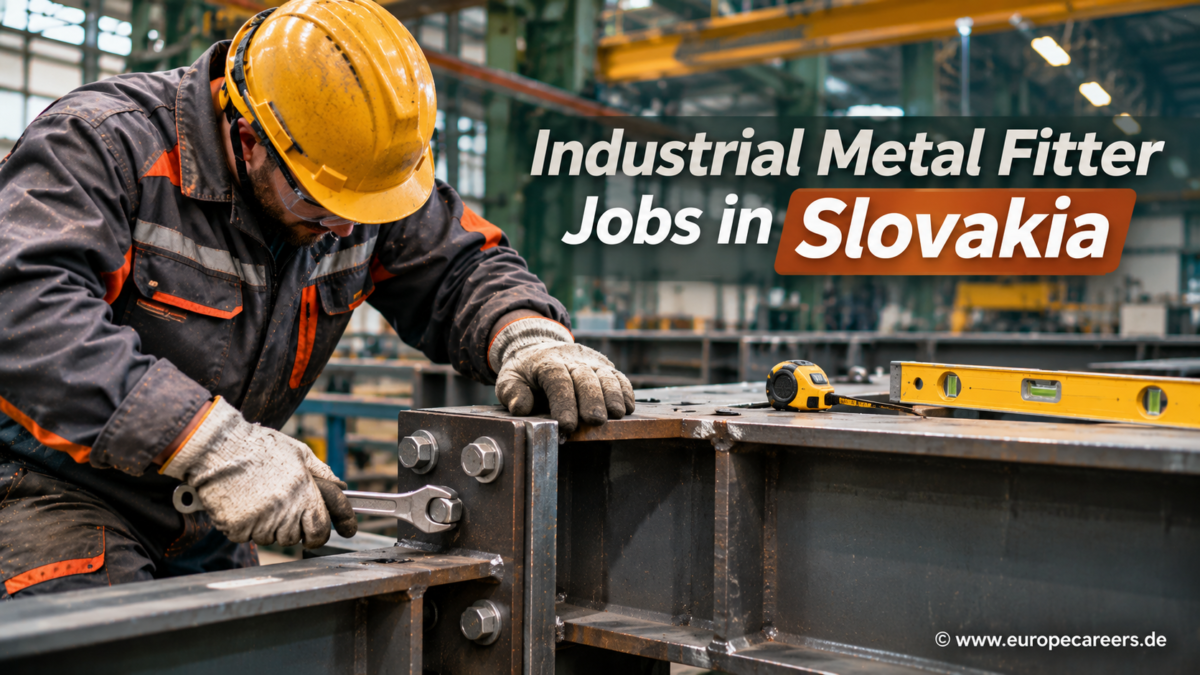
If you have worked as a fitter in an Indian fabrication workshop, engineering factory or steel-structure project, you know that fitting is much more than tightening a few bolts. Accurate measurement, alignment, drilling, grinding, assembly and safe handling of heavy components are all part of the trade. These practical skills may be relevant to industrial metal fitter jobs in Slovakia, especially when employers need people who can work from technical drawings.
For Indian ITI fitters and experienced industrial workers, however, overseas recruitment requires careful preparation. You need to show what you can actually do, understand the employer’s requirements and check the legal employment route before making financial commitments. Europe Careers can guide candidates in preparing CVs, organizing documents and understanding recruitment steps. This article is an informative guide, not a claim that any particular vacancy is available through us.
Industrial Metal Fitter Jobs in Slovakia: Quick Overview
| Topic | Information for Indian Applicants |
|---|---|
| Common job titles | Industrial metal fitter, steel structure fitter, metal assembly worker, mechanical fitter |
| Typical work | Measuring, drilling, grinding, aligning, bolting and assembling steel or machinery components |
| Qualifications | ITI fitter, vocational training or documented practical experience, depending on the employer |
| Salary context | Examples of 2026 advertised gross pay include €1,100 and €1,800 per month for different fitting roles |
| Language | Depends on the vacancy; some roles require Slovak or another working language |
| Legal route | Appropriate employment residence for non-EU workers, often the single-permit route |
| Europe Careers guidance | CV, qualifications, interview readiness, document preparation and application-process information |
What Does an Industrial Metal Fitter Do?
An industrial metal fitter prepares and assembles metal parts according to technical requirements. Depending on the employer, this may involve fitting steel beams, assembling frames, preparing brackets, aligning machinery components or installing structural parts on site. Some jobs are based in a workshop; others require travelling to construction or industrial sites.
Metal fitters are not automatically welders. Some fitting jobs involve tack welding or basic welding, but many focus on measuring, cutting, drilling, grinding, bolting and assembly. If a vacancy requires welding, the employer may ask for a specific welding qualification or practical test. Always check the actual tasks rather than relying only on the title.
Slovak job advertisements may use terms such as montér kovových konštrukcií (metal-structure assembler) or prípravár a montér kovových konštrukcií (preparer and assembler of metal structures). The exact work differs by company, so an Indian fitter should compare the description with their real experience.
Metal Fitter Qualifications and Salary – Combined Table
The following examples show why it is important to read the job description and written contract. Figures are taken from individual 2026 Slovak advertisements, not a guaranteed salary range for Indian workers. Some employers may not recruit directly from outside the EU.
| Job Profile | Typical Qualification and Experience | Gross Salary Reference |
|---|---|---|
| Metal-Structure Preparer and Fitter | Vocational education, hand tools, drawing-based assembly; one advertised vacancy required at least six months’ experience | One public vacancy: €1,100/month |
| Steel-Structure Erector | Steel installation, site assembly, alignment, safety awareness and ability to work from plans | One public vacancy: €1,800/month |
| Workshop Fitter / Fabricator | Technical training, cutting, grinding, drilling, measuring and preparing parts for assembly | Employer-specific; verify written offer |
| Industrial Assembly Fitter | Mechanical assembly, bolts and fasteners, technical drawings and production quality checks | Employer-specific; verify written offer |
These are 2026 examples, not 2027 forecasts or a national average. Pay depends on experience, worksite, shift patterns and contract conditions. The statutory minimum and minimum-wage entitlements also depend on applicable Slovak rules and job classification.
Essential Skills Employers May Look For
1. Reading Technical Drawings
One of the most useful skills for a fitter is understanding dimensions, part numbers, tolerances and assembly instructions. Employers may ask you to identify the correct component, measure it and assemble it according to a drawing. If you have experience with fabrication drawings, explain which types you have used.
2. Measurement and Alignment
Industrial fitting requires accurate work with measuring tapes, vernier calipers, squares, levels and other tools. You may need to check the position of a beam, align holes or make sure a frame is square before final fastening. Poor measurement can lead to delays and costly rework.
3. Drilling, Cutting and Grinding
Employers may expect experience with portable drills, grinders, cutting equipment and workshop tools. Explain how you select tools, prepare material and maintain safe working conditions. Do not claim advanced machine-operation skills unless you have used that equipment in real jobs.
4. Bolted Connections and Assembly
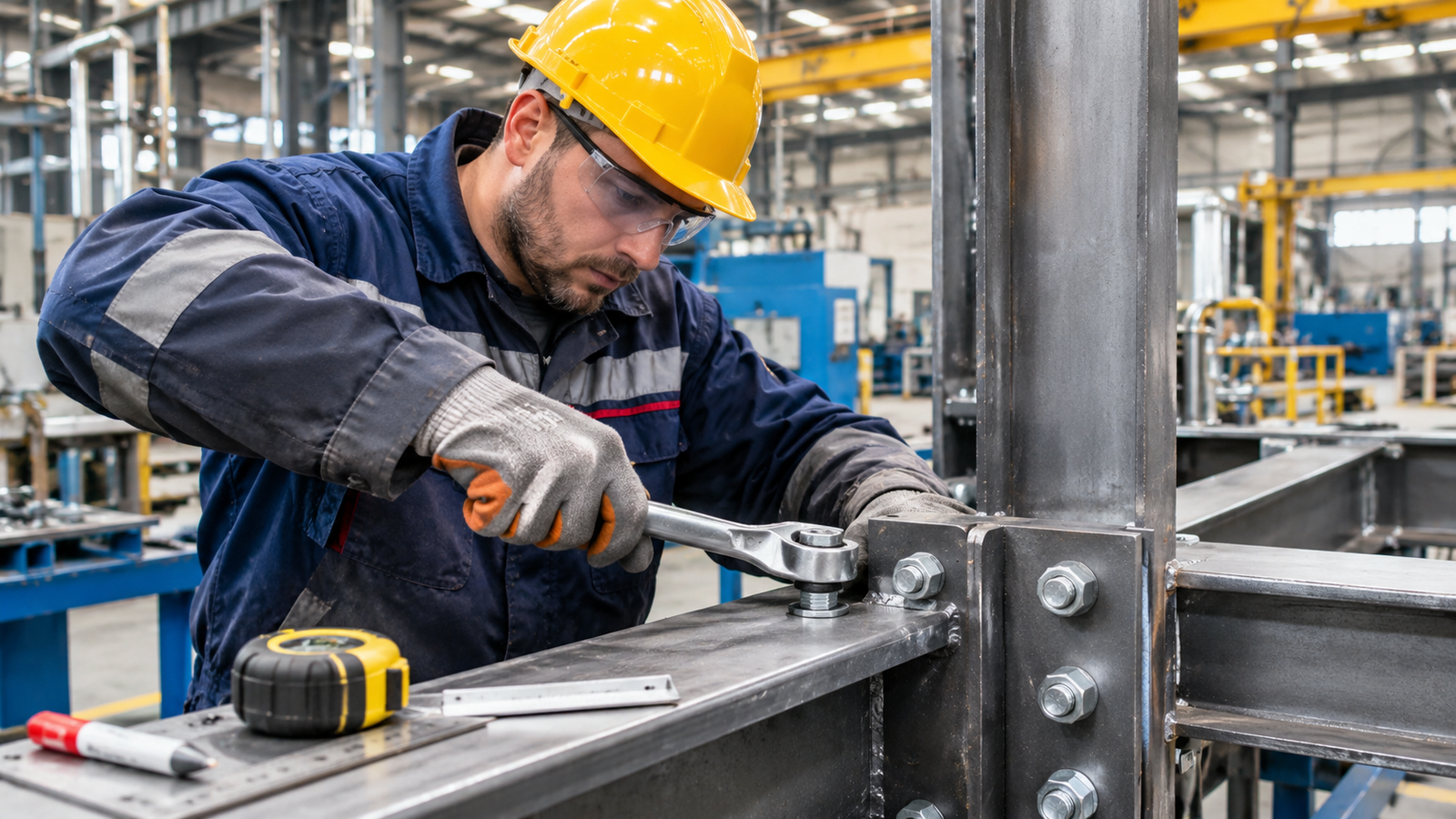
Steel frames and machinery assemblies often rely on bolts, brackets, plates and fasteners. Fitters may need to position components, install bolts and check alignment. For some work, specified tightening procedures or calibrated tools are required. Always follow the employer’s instructions.
5. Workplace Safety and Teamwork
Heavy metal components require careful lifting and handling. Some site jobs involve working at height or near moving machinery. Employers may ask about PPE, safe lifting, permit-to-work systems and communication with supervisors. Never undertake work at height without the necessary training and authorization.
Can Indian ITI Fitters Apply Without a Degree?
A university degree is not required for every industrial fitting job. Some employers accept vocational education and relevant practical experience. For example, one Slovak metal-structure fitter advertisement requested secondary vocational education and at least six months of experience. Other roles may require additional experience, licences or safety training.
If you completed an ITI Fitter course in India, include the training institution, course name, completion year and relevant workshop experience. A strong CV should also explain the materials, tools and machinery you have worked with. Europe Careers can guide you in presenting your qualifications clearly without exaggerating your skills.
How Much Experience Is Needed?
There is no single experience requirement for all Slovak fitter vacancies. Entry-level assembly work may be different from structural installation on an industrial site. Some roles ask for several months of practice, while more demanding positions may expect years of relevant experience and familiarity with drawings or safety procedures.
Instead of simply writing “three years fitter,” explain what you actually did: assembling steel frames, aligning machinery, drilling holes, preparing metal parts, using power tools or checking dimensions. Include the approximate dates of employment and the kinds of projects you handled. That information helps an employer decide whether your experience matches the vacancy.
Where Are Industrial Metal Fitter Jobs Available?
Potential employers include steel-fabrication workshops, machinery manufacturers, industrial maintenance businesses and construction contractors. Some positions involve workshop preparation and assembly; others include site installation of steel structures. A company may operate in several Slovak regions, and site workers may travel between projects.
For Indian applicants, the worksite is an important detail. Ask whether the job is fixed in one factory or involves regular travel, whether accommodation is available and whether transport is provided. If a company based in Slovakia sends workers to another country, the contract and immigration arrangements may be different.
Understanding Salary, Overtime and Accommodation
Public advertisements in 2026 show considerable variation. A preparer and metal-structure fitter vacancy listed €1,100 gross per month, while a steel-structure erector vacancy listed €1,800 gross. These figures are examples from different jobs and cannot be treated as guaranteed earnings for Indian candidates.
Always ask whether the salary is gross or net, how many hours are included, whether overtime is paid separately and whether shifts or travel allowances apply. Accommodation may be provided or deducted from wages. Before accepting a job, estimate the cost of rent, food, transport and personal expenses rather than assuming that the advertised gross amount is what you can send home to India.
Europe Careers can guide you on the questions to ask about a proposed contract. The actual employer must provide accurate employment terms, and the applicable Slovak wage rules must be respected.
Industrial Metal Fitter Recruitment Process for Indians
Recruitment generally starts with a skills-based CV and a clear understanding of the employer’s requirements. An employer may conduct a video interview, ask technical questions or arrange a practical assessment. Do not assume that an advertisement is open to overseas applicants unless the company confirms it.
- Profile preparation: list your ITI or trade qualifications, tools, assembly experience and technical skills.
- CV and document review: organize experience letters, training certificates and a concise project history.
- Employer assessment: prepare for questions on drawings, measurement, drilling, alignment and safety.
- Written offer verification: check the employer, location, gross salary, hours and accommodation arrangements.
- Work-residence preparation: understand the employer’s obligations and your required documents.
- Travel planning: make arrangements only after the appropriate authorization and joining instructions are confirmed.
Europe Careers can provide guidance with preparation and understanding the process, subject to service availability. Hiring and immigration decisions remain outside our control.
Slovakia Work Permit and Single Permit for Indian Workers
Indian citizens generally need the appropriate authorization to work in Slovakia. A common route is temporary residence for employment based on confirmation that a vacancy may be filled, often called a single permit. Other routes and exceptions exist, depending on the candidate and job.
Under the IOM Slovakia guidance updated in August 2026, a prospective employer usually reports a vacancy to the Labour Office at least 20 working days before requesting confirmation, subject to exceptions. The employer then requests the relevant confirmation and the candidate follows the required residence-application steps. The exact work-start rules depend on the applicable legal conditions and application status.
A tourist visa alone does not authorize ordinary paid industrial fitting work. Europe Careers can explain the general sequence and help candidates prepare questions and documentation, but Slovak authorities decide official applications.
Documents to Prepare Before Applying
Keep your passport, updated CV, ITI or vocational certificate and experience letters ready. If relevant, gather records showing previous work in steel fabrication, mechanical assembly or industrial maintenance. The residence process may also require criminal-record documents, accommodation evidence, application forms and properly prepared translations or legalized records.
Do not pay for unnecessary document services until the employer and competent authorities confirm what is required. Europe Careers can guide you in organizing a checklist and understanding the sequence of steps.
How to Prepare for a Metal Fitter Trade Test
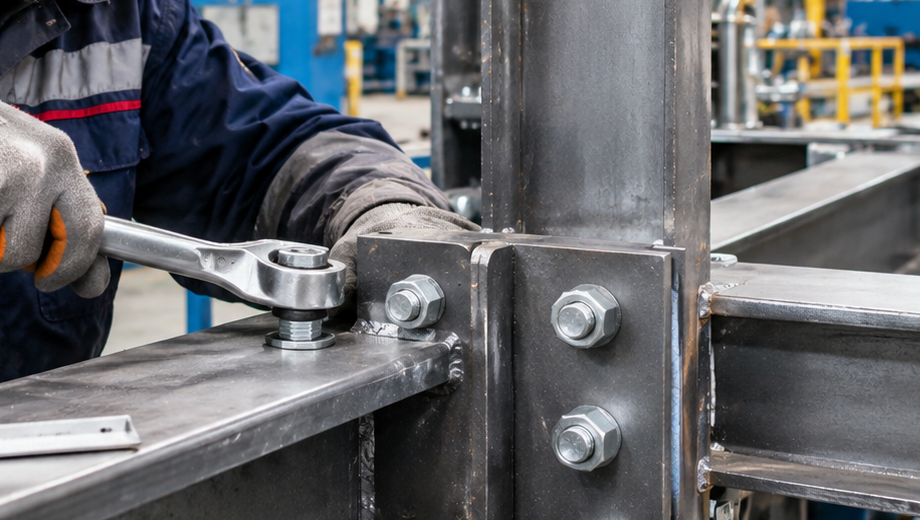
An employer may ask you to read a simple drawing, measure a component, mark drilling points, align parts and complete a small assembly. Review basic fitting tools and practise working accurately rather than rushing. If you have experience with tolerances or quality checks, be ready to explain how you avoid errors.
Safety may also be assessed. You should understand how to secure workpieces, use guards, wear protective equipment and handle heavy parts safely. If you do not have a required licence or experience with a particular machine, say so honestly.
Common Mistakes Indian Candidates Should Avoid
Do not assume that all metal fitting roles include welding or that every fitter needs a welding certificate. Do not submit a generic CV that fails to mention your tools and project experience. Avoid recruiters who guarantee visas, refuse to identify the employer or ask for money without a written agreement and receipt.
Also check whether the job requires Slovak, a driving licence, work at height or site travel. Some public vacancies have requirements that make them unsuitable for a particular overseas candidate. A salary figure alone does not establish eligibility.
Frequently Asked Questions – Industrial Metal Fitter Jobs in Slovakia
Click a question to read the answer. For personal guidance, contact Europe Careers.
Can Indian ITI fitters apply for industrial metal fitter jobs in Slovakia?
Yes, if an employer accepts your vocational background and practical experience. Europe Careers can guide you in presenting your qualifications, work history and technical skills.
Is welding certification compulsory for metal fitters?
Not for every fitting role. Some positions focus on cutting, drilling, alignment and bolted assembly, while others include welding. A welding certificate is relevant only when the employer requires it.
How much do industrial metal fitters earn in Slovakia?
Published 2026 advertisements varied: examples included €1,100 gross per month for a preparer and metal-structure fitter and €1,800 gross for a steel-structure erector. These are individual vacancies, not guaranteed offers or a national average.
Do Slovak metal fitting jobs require experience?
Requirements vary. One public vacancy specified at least six months of experience; more specialized construction or assembly roles may expect longer experience and extra safety qualifications.
Do I need Slovak or IELTS?
There is no blanket IELTS rule for all fitting jobs. Some employers require Slovak for safety communication, while others accept another working language. Check each vacancy.
Can Europe Careers guarantee a job and work permit?
No. Europe Careers can guide your CV and document preparation and explain the process, but hiring is the employer’s decision and residence applications are decided by Slovak authorities.
How do I contact Europe Careers?
Visit our Contact Us page and share your updated CV, ITI or trade qualification, work experience and the type of fitting or assembly work you perform.
How Europe Careers Can Help
For Indian skilled workers, the first challenge is often explaining practical experience in a way that an overseas employer can assess. Europe Careers can guide you with a professional trade CV, document organization, eligibility questions and preparation for the recruitment process. We can also help you understand the questions to ask about an employment offer and the general residence procedure.
Our support is designed to make the process clearer. Actual vacancies, hiring decisions and residence approvals depend on employers and the relevant authorities. No legitimate agency can guarantee a positive outcome for every applicant.
Contact Europe Careers
Interested in industrial metal fitter jobs in Slovakia? Share your updated CV, ITI or vocational qualification, work experience and the type of fabrication or assembly work you perform. Our team can discuss the guidance available and suitable next steps.