Mechatronics Ausbildung in Germany for Indian Students
Explore Germany's dual vocational training pathway in mechatronics, combining practical training at a company with technical learning at vocational school. Europe Careers helps Indian candidates understand the requirements and plan their next steps.
What Is Mechatronics Ausbildung in Germany?
Mechatronics Ausbildung, associated with the recognised German occupation Mechatroniker/in, is a prestigious dual vocational training programme integrating mechanical engineering, electrical systems, digital electronics, control technology, and industrial automation.
The programme typically spans 3.5 years (subject to individual company arrangements and prior qualifications). It operates on Germany's world-renowned dual model, where learning takes place across two complementary environments:
The Training Company (Ausbildungsbetrieb)
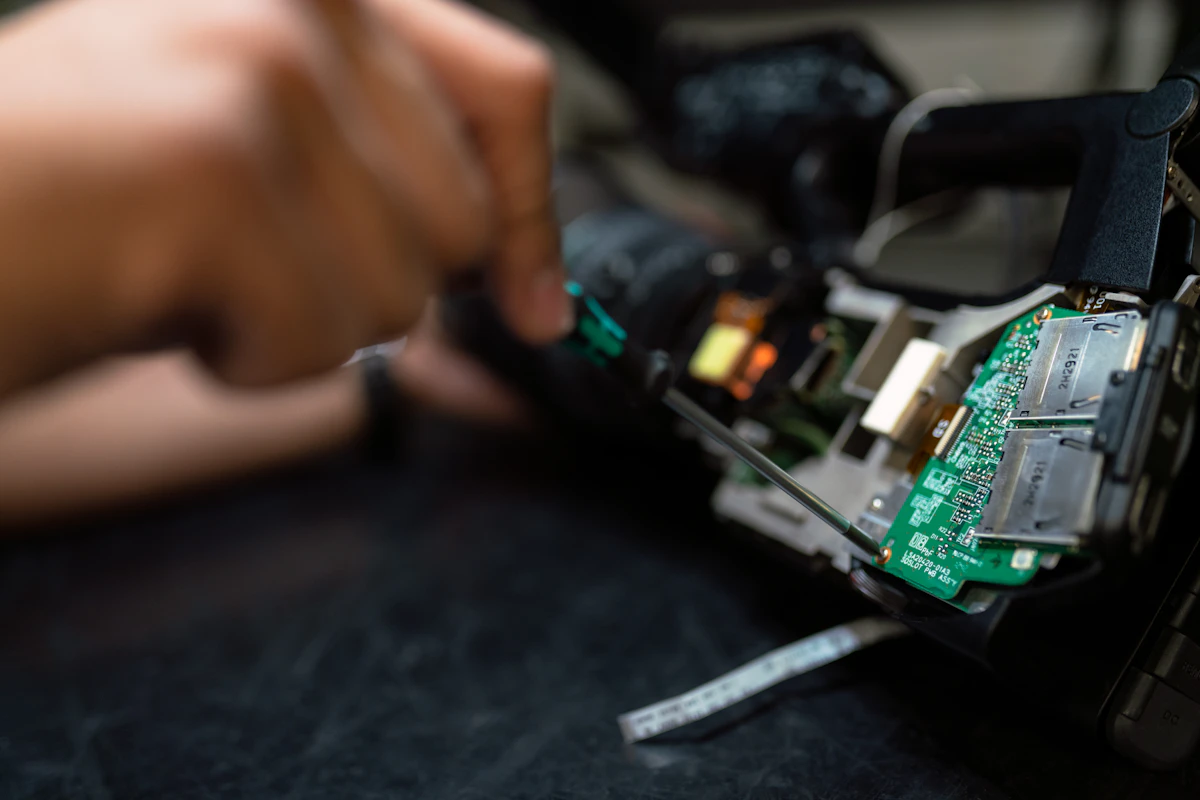
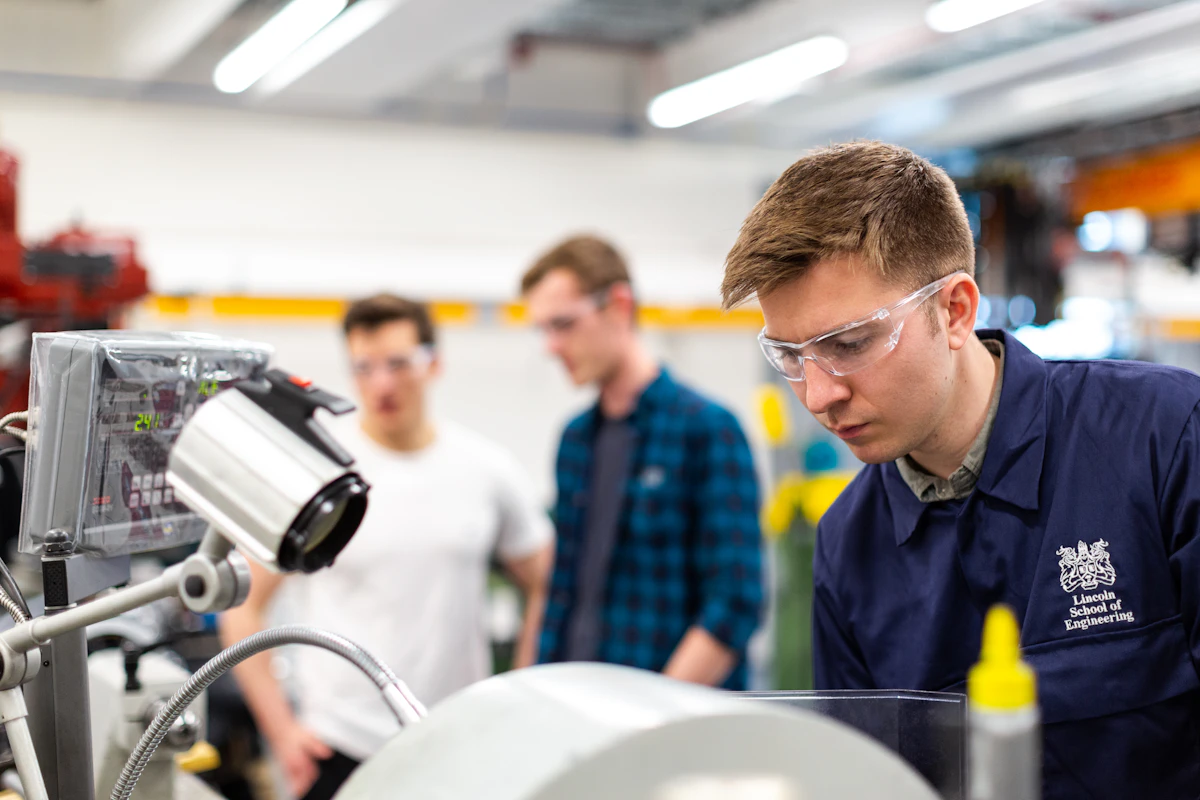
You spend the majority of your training on-site with an industrial manufacturing, automotive, or engineering enterprise. You handle real machinery, install electrical wiring, assemble mechanical units, and troubleshoot automated production lines under senior Meister technicians.
Includes monthly Ausbildungsvergütung (training remuneration) paid directly by the company.
Vocational School (Berufsschule)
You attend state vocational school either on dedicated days each week or in block periods (Blockunterricht). You study electrical circuit principles, technical mathematics, PLC programming, control technology, technical English, and German social studies.
Prepares you for the nationwide IHK / HWK vocational certification examinations.
Why Choose Mechatronics Ausbildung in Germany?
Combining hands-on technical skills with high German engineering standards opens stable, future-proof career paths across global manufacturing industries.
Practical Learning
Develop technical competence through structured, hands-on workshop training rather than purely theoretical textbook memorization.
Mechanical & Electrical Skills
Learn how complex mechanical assemblies, electrical power circuits, and digital control systems interoperate seamlessly in modern factories.
Automation & Robotics
Gain direct experience with industrial robotics, optical sensors, pneumatic actuators, and automated assembly systems driven by Industry 4.0.
Earn During Training
Dual vocational trainees receive contractual monthly training remuneration, helping offset living expenses without tuition fees.
Recognised Qualification
Graduating with an official IHK or HWK certificate earns you a government-recognized vocational credential respected across the EU.
Career Development
Unlock pathways to full-time technician employment, advanced Meister qualification, state-certified engineer (Techniker), or engineering degrees.
What Will You Learn During Mechatronics Training?
The curriculum systematically integrates mechanics, electrics, electronics, and digital programming into 12 core competencies:
Check Your Eligibility for Mechatronics Ausbildung in Germany
The German dual vocational system does not impose a single statutory school qualification; individual training companies set their own selection criteria. Indian candidates from diverse educational backgrounds can qualify:
Class 10 Pass Students
Candidates with Class 10 (Secondary School Certificate) may explore training positions where employers accept lower secondary equivalence (Hauptschulabschluss / Realschulabschluss). Good marks in mathematics and science are advantageous.
Class 12 Pass Students
Students completing Class 12 (Higher Secondary / Intermediate), particularly in Science or Technical streams with Physics, Chemistry, and Mathematics, offer strong foundations sought after by engineering employers.
ITI Candidates
Candidates holding an ITI certificate in Electrician, Fitter, Machinist, Electronics Mechanic, or Instrument Mechanic can highlight hands-on workshop experience and practical aptitude during company interviews.
Diploma Holders
Candidates holding 3-year technical diplomas in Mechanical, Electrical, Mechatronics, or Automobile Engineering can present established technical knowledge when applying for training contracts.
German Language Skills Are Key to Your Ausbildung Journey
Because instruction in vocational schools (Berufsschule), company safety instructions (Arbeitsschutz), and daily workshop communication take place entirely in German, solid language competence is non-negotiable for success.
German Language Foundation (A1 to A2)
Build basic everyday conversational grammar, vocabulary, listening agility, and everyday comprehension in India.
B1 Level Certification
Achieve official B1 certification (Goethe-Zertifikat, telc, or ÖSD), widely required for visa filing and understanding classroom theory.
Technical German Vocabulary (Fachdeutsch)
Master technical terms for machine parts, tools, measurement units, safety protocols, and automation controls.

Training Duration and Structure: 3.5-Year Roadmap
The dual Mechatroniker apprenticeship progressively builds your technical skills from foundational workshop practices to sophisticated automation engineering:
Year 1: Foundations
Manual and machine processing of metals, basic electrical circuits, safety regulations, interpreting simple technical schematics, and measurement techniques.
Year 2: Components & Systems
Installing electrical hardware, assembling pneumatic and hydraulic circuits, sensor wiring, and taking the compulsory Abschlussprüfung Teil 1 (Part 1 Exam).
Year 3: Automation & PLC
Programming logic controllers (PLC), commissioning complex automated systems, industrial communication networks, and systematic troubleshooting.
Final 6 Months: Exam & Project
Executing an operational company project, maintenance optimization, and appearing for the final comprehensive Abschlussprüfung Teil 2 (Part 2 Exam).
Understand Training Income and Your Living Budget
In Germany's dual vocational system, trainees are not charged university tuition fees. Instead, you receive a contractual monthly training remuneration (Ausbildungsvergütung) paid directly by your host employer, which typically increases with each completed training year.
Planning a realistic monthly living budget is essential. Key personal expenses to account for include:
Contractual Stipend
Trainee remuneration is legally subject to statutory social security deductions (health, pension, nursing, and unemployment insurance). Your take-home (net) stipend covers basic student accommodation and living costs in most German cities.
Career Opportunities After Completing Mechatronics Training
Graduating as a certified Mechatroniker unlocks versatile employment roles across German advanced engineering sectors:
Industries Employing Mechatronics Specialists
Mechatronics is the technological backbone of Germany's leading industrial sectors:
Your Ausbildung Journey, Supported by Europe Careers
Applying for vocational training in Germany requires structured planning around educational eligibility, German language proficiency, company applications, contracts, and visa documentation. Europe Careers helps candidates navigate every milestone within our agreed scope of services.
Profile Assessment
Review your school marks, ITI or diploma credentials, technical aptitude, and personal career goals.
Eligibility Guidance
Understand how German vocational bodies and employers evaluate your Indian school leaving certificates.
German Language Planning
Structured language roadmaps from A1 through B1/B2 with certified examination preparation in India.
Application Dossier
Drafting German-standard tabular resumes (Lebenslauf) and persuasive personal motivation letters (Anschreiben).
Opportunity Guidance
Where verified training opportunities are available, understand eligibility requirements and employer timelines.
Interview Preparation
Coaching on explaining your technical motivation and responding confidently to German employer interview questions.
Documentation Support
Organizing sworn translations, apostille verifications, school marksheets, and passport documentation.
Visa & Relocation Support
Step-by-step guidance on German Vocational Training Visa (§ 16a AufenthG) requirements and departure planning.
Documents Checklist for Indian Applicants
Accurate, verifiable documentation is vital for securing company interviews and applying for the German vocational training visa:
Academic & Identification Documents
- Valid International Passport: With at least 12–18 months validity remaining.
- Class 10 Certificate & Mark Sheet: Verified proof of secondary school education.
- Class 12 Certificate & Mark Sheet: Required where applicable (Science/Math stream preferred).
- ITI / Polytechnic Diploma Certificates: With all semester transcripts, if applicable.
- Technical Experience Certificates: Verifying prior internships or apprenticeships, if available.
Application & Visa Processing Records
- German Standard CV (Lebenslauf): In structured, chronological European format.
- German Motivation Letter (Anschreiben): Explaining specific interest in mechatronics training.
- Certified German Language Certificate: Goethe, telc, or ÖSD certificate (B1/B2 level).
- Signed Training Contract (Ausbildungsvertrag): Certified by the responsible Chamber (IHK/HWK).
- Proof of Financial Resources & Health Insurance: Compliant with German embassy guidelines.
Application Process for Indian Students
A transparent timeline from your initial eligibility review in India to arriving at your training facility in Germany:
Assess Qualifications & Technical Interests
Review your school marks (Class 10/12/ITI/Diploma) and evaluate whether mechatronics aligns with your mechanical and electronic problem-solving interests.
Plan German Language Learning in India
Commit to intensive German language classes, targeting official B1 certification (Goethe/telc) with foundational technical vocabulary.
Prepare German-Standard Application Dossier
Develop a professional tabular CV (Lebenslauf), customized motivation letter (Anschreiben), certified sworn translations, and educational apostilles.
Apply for Suitable Training Positions
Submit structured applications to German industrial companies and training consortia with verified mechatronics training vacancies.
Attend Employer Interviews & Secure Contract
Participate in online video interviews with German company instructors. Upon selection, receive your official dual training contract (Ausbildungsvertrag).
Apply for the Vocational Training Visa (§ 16a)
Submit your verified visa application at the German Embassy / VFS Centre in India, complete health insurance formalities, and arrange travel to Germany.
Ausbildung Visa and Relocation to Germany
Indian candidates who secure an Ausbildung contract apply under Section 16a of the German Residence Act (Aufenthaltserlaubnis zur betrieblichen Aus- und Weiterbildung - § 16a AufenthG).
Understand My Visa PathwayCore Visa Requirements (§ 16a AufenthG):
- Signed Ausbildungsvertrag: Contract with an accredited German employer, registered with IHK/HWK.
- Federal Employment Approval: Advance consent (Vorabzustimmung) from the Bundesagentur für Arbeit (BA).
- Language Proficiency Proof: Recognized B1 certificate or confirmation of preparatory language course.
- Subsistence Evidence: Monthly training remuneration meeting official embassy threshold guidelines.
- Statutory Health Insurance: Proof of incoming health insurance covering your training stay.
Frequently Asked Questions
Everything Indian students need to know about eligibility, German language levels, contracts, and vocational visas.
Take the First Step Towards Mechatronics Ausbildung in Germany
Share your educational background and career interests to discuss the next steps with Europe Careers.
Error: Contact form not found.
Build Your Future in German Engineering
Explore the Mechatronics Ausbildung pathway, strengthen your German language skills, and prepare for technical training opportunities with guidance from Europe Careers.