Warehouse & Logistics Ausbildung in Germany
Build Your Future in Germany’s Warehouse and Logistics Industry
Embark on a government-regulated dual vocational pathway in Europe’s undisputed logistics capital. Combine practical training at accredited German distribution enterprises with specialized vocational school tuition, all while earning a monthly training allowance under Germany’s renowned dual education framework.
What is Warehouse & Logistics Ausbildung?
The German *Duale Ausbildung* is a world-standard vocational model that blends real-world corporate training with structured academic instruction at a specialized vocational college (*Berufsschule*).
Practical Learning at a Training Company
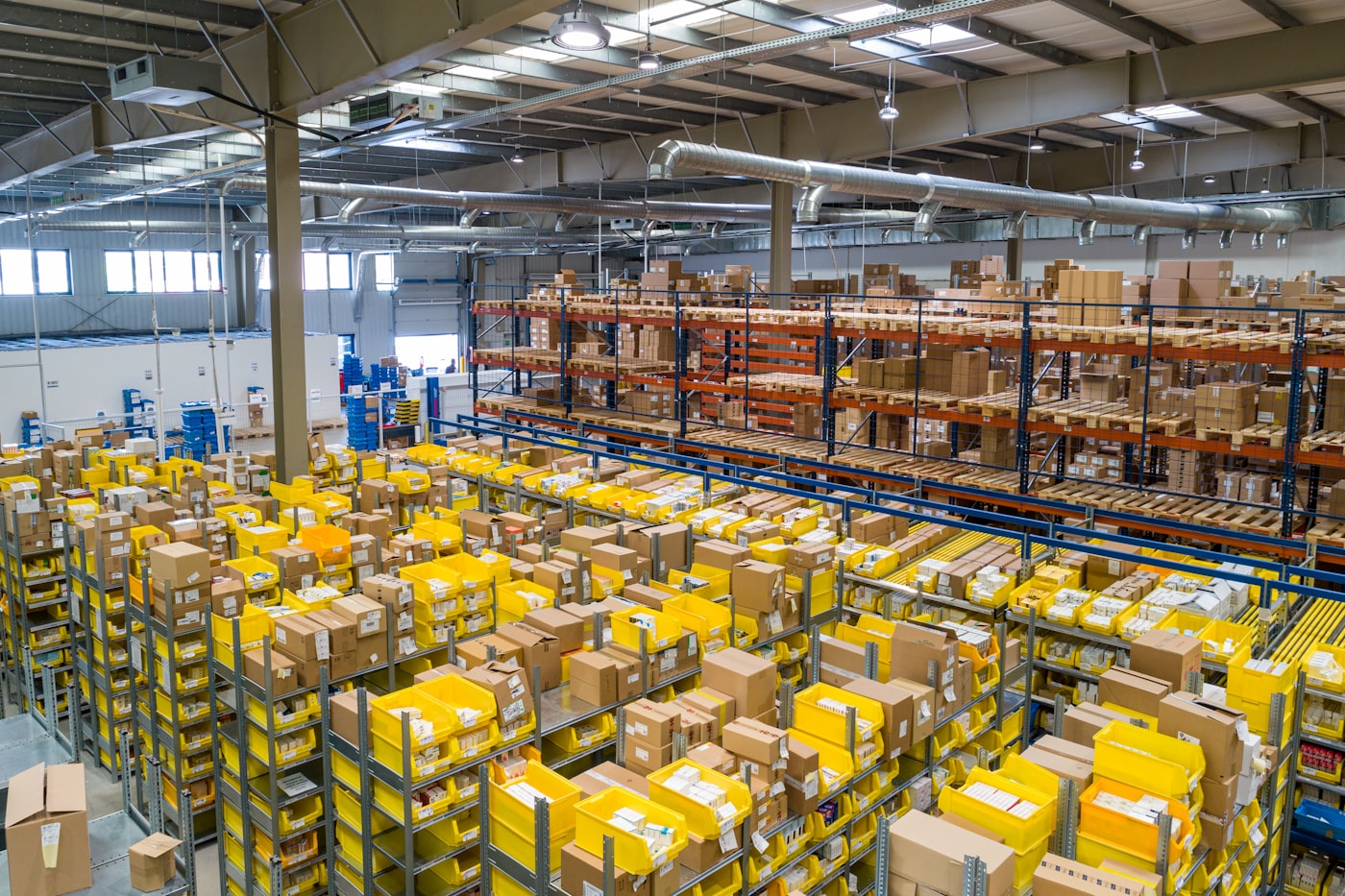
Apprentices are employed by established German logistics hubs, industrial manufacturing plants, or retail distribution centres. Under certified workplace mentors (*Ausbilder*), you learn inventory handling, order staging, stock allocation, and equipment protocols on live industrial operations.
Vocational School Education
Formal classroom modules provide trade-specific theory in logistics economics, commercial freight calculations, hazardous goods regulations, IT-assisted routing systems, and business communication in technical German.
The Critical Role of Logistics in Germany
As Europe’s industrial and manufacturing engine, Germany relies heavily on resilient, highly synchronized supply chains. From automotive manufacturing and chemical processing to e-commerce fulfillment and international freight transport, qualified logistics specialists ensure goods and components move accurately, safely, and on schedule.
Two Recognized Vocational Qualifications
The German Vocational Training Act (BBiG) defines two distinct qualification profiles based on duration, operational scope, and administrative depth:
 2-Year Qualification
Fachlagerist / Fachlageristin
Core Warehouse Operations & Handling- Duration: Generally a 2-year state-accredited training programme.
- Primary Focus: Physical goods intake, visual inspection, documentation verification, and cargo unloading.
- Storage Operations: Systematic bin allocation, material conservation, and regulated hazardous goods storage.
- Order Fulfillment: Picking customer orders, protective packing, weighing, and dispatch staging.
 3-Year Qualification
Fachkraft für Lagerlogistik
Comprehensive Logistics & Coordination- Duration: Generally a 3-year advanced vocational qualification.
- Expanded Breadth: Integrates all Fachlagerist operational tasks alongside strategic planning modules.
- Process Optimization: Calculating inventory ratios, optimizing storage capacity, and tracking KPIs.
- Freight Administration: Preparing shipping manifests, managing carrier interfaces, and handling customs fundamentals.
Please note: Specific entry requirements, programme availability, and progression opportunities depend on the applicable federal training regulations and individual employer criteria.
Why Choose Logistics Ausbildung in Germany?
Germany’s logistics sector offers an internationally recognized standard of vocational excellence, advanced warehouse technology, and high standards of operational safety.
1. Structured Vocational Education
Benefit from nationwide curricula regulated under the Vocational Training Act (BBiG) and supervised by the Chambers of Commerce and Industry (IHK), ensuring rigorous and uniform learning standards.
2. Hands-on Experience
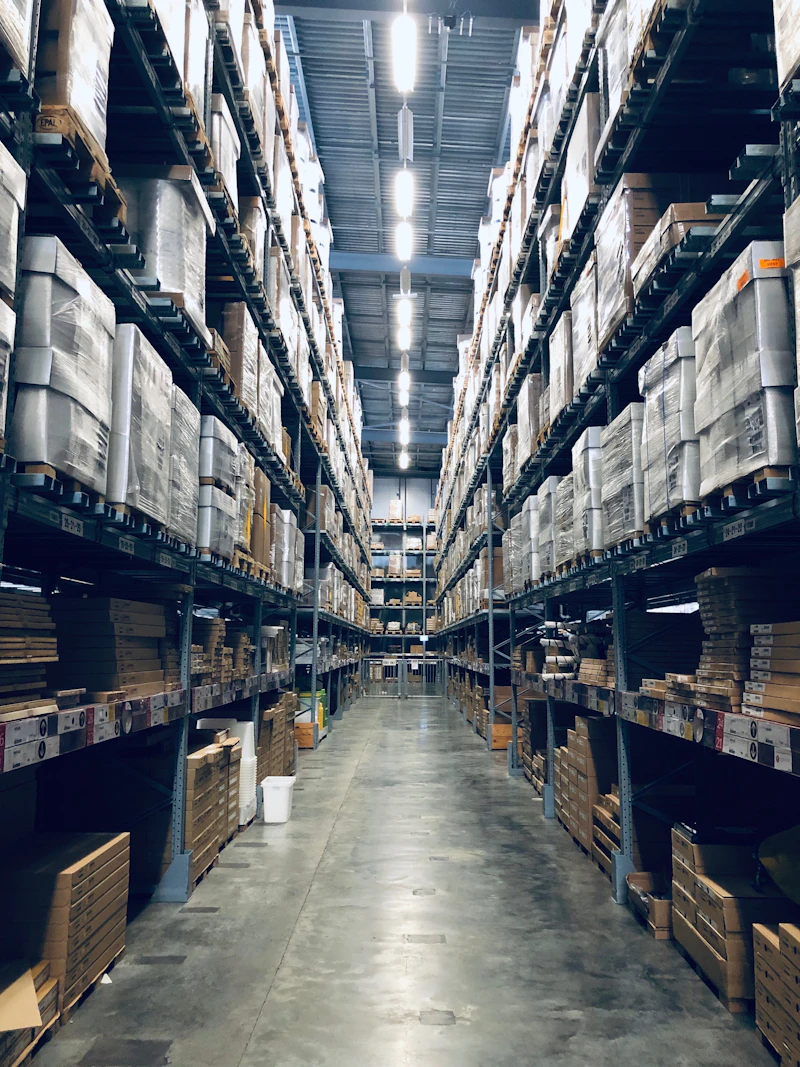
Acquire direct operational competence on live warehouse floors, automated conveyor grids, high-bay stacking racks, and high-volume cross-docking terminals.
3. Digital Skills
Master the digital tools powering modern logistics: Enterprise Resource Planning (ERP) systems, handheld barcode scanners, RFID readers, and Warehouse Management Systems (WMS).
4. Industry Knowledge
Develop a comprehensive understanding of end-to-end supply chain flows, stock conservation, inventory turnover optimization, and international packaging standards.
5. Career Development
Establish a solid educational foundation for further professional development, including specialized certifications such as *Logistikmeister* or logistics coordination qualifications.
6. International Exposure
Gain invaluable international experience in a disciplined European work setting, cultivating intercultural competencies, professional German fluency, and global career resilience.
Important Guidance: German dual vocational training offers structured vocational education and officially recognized credentials. Europe Careers does not promise guaranteed employment, permanent residency, or automatic career advancement. All hiring, licensing, and visa outcomes depend strictly on individual candidate performance, employer hiring criteria, and statutory regulations.
Who Can Apply for Warehouse & Logistics Ausbildung?
German employers assess candidates holistically, emphasizing reliability, practical commitment, team discipline, and the linguistic capability to successfully complete vocational school coursework.
Class 12 Higher Secondary Qualifications
Indian candidates who have successfully completed Class 12 in any academic stream (Commerce, Science, or Arts) can explore suitable training opportunities, subject to specific employer selection criteria.
Other Recognized School & Diploma Qualifications
Candidates possessing other recognized school-leaving qualifications or vocational diplomas may also be considered where accepted by the training company and the responsible Chamber (IHK).
German Language Proficiency
Demonstrable German proficiency appropriate to the vocational profile is required. B1 certification is commonly required for application readiness, while B2 significantly enhances training success.
Practical Mindset & Team Orientation
A genuine willingness to work in an active, organized, and time-sensitive environment where punctuality, safety compliance, and team coordination are paramount.
Basic Computer Literacy & Numerical Aptitude
Familiarity with digital screens, scanning devices, and fundamental arithmetic (quantities, dimensions, weight calculations, unit conversions) is highly advantageous.
Physical Stamina & Health Readiness
Good physical fitness and stamina may be relevant for day-to-day warehouse duties, active order fulfillment, and equipment operation in accordance with safety standards.
Individual Profile Assessment
Selection requirements—including minimum academic scores, age preferences, and language expectations—vary widely across German companies and federal states. Europe Careers assists Indian candidates in evaluating their credentials against specific enterprise criteria.
Check My EligibilityPrepare Your German Language Skills
Because training takes place directly within operating German logistics facilities, language proficiency is vital for workplace safety, academic success at Berufsschule, and everyday life in Germany.
Why German is Essential for Logistics Apprentices:
-
Operational & Health Safety: Understanding hazard warnings (*Gefahrgut*), machinery emergency stops, and workplace safety directives without hesitation.
-
Workplace Instructions: Accurately receiving shift handovers, dispatch orders, and operational briefs from warehouse supervisors (*Lagerleiter*).
-
Vocational School (*Berufsschule*): All technical lessons, specialized textbooks, and Chamber of Commerce (IHK) examinations are administered in German.
-
Selection Interviews: Articulating your motivation, academic background, and practical enthusiasm directly to German employers during video interviews.
CEFR Language Progression
The standard progression framework for vocational candidates:
Basic vocabulary, numbers, workplace greetings, and simple tools identification.
Routine communication, simple work instructions, and basic situation dialogues.
Independent conversation, understanding standard warehouse orders, and following vocational school instruction. Frequently required for entry.
Fluid technical communication, complex logistics documentation, and greater academic confidence in Berufsschule exams.
Training Duration and Structure
German vocational ordinances establish a balanced schedule dividing time between operational enterprise training and accredited vocational school learning.
Fachlagerist/in
Core Operational Focus
Intake protocols, delivery note inspection, condition checks, and safe unloading.
Stock categorization, order picking techniques, packing, and dispatch staging.
Fachkraft für Lagerlogistik
Comprehensive Logistics Management
Comprehensive operational warehouse training identical to the Fachlagerist syllabus.
Inventory management, procurement logistics, customs basics, route optimization, and ERP data.
Workplace-Based Training (approx. 70%)
Practical operational work in German distribution depots, shipping facilities, or manufacturing warehouses under the supervision of certified instructors.
Vocational School Lessons (approx. 30%)
Classroom learning covering supply chain mathematics, logistics processes, trade English, and economic/social studies (*Wirtschafts- und Sozialkunde*).
State-Recognized Qualification
Graduates receive an accredited vocational certificate from the German IHK, establishing recognized professional credentials across Germany.
Skills You Will Learn
The dual training curriculum imparts an extensive range of industrial skills directly applicable to European modern distribution and manufacturing networks.
 01
Goods Receiving & Inspection
Checking incoming shipments, verifying quantities against delivery notes (*Lieferscheine*), assessing product condition, and systematically recording delivery discrepancies.
 02
Storage & Inventory Management
Organizing stock systematically using FIFO/LIFO principles, maintaining clean inventory bin records, and conducting regular cycle counts and stock audits.
 03
Order Picking & Packing
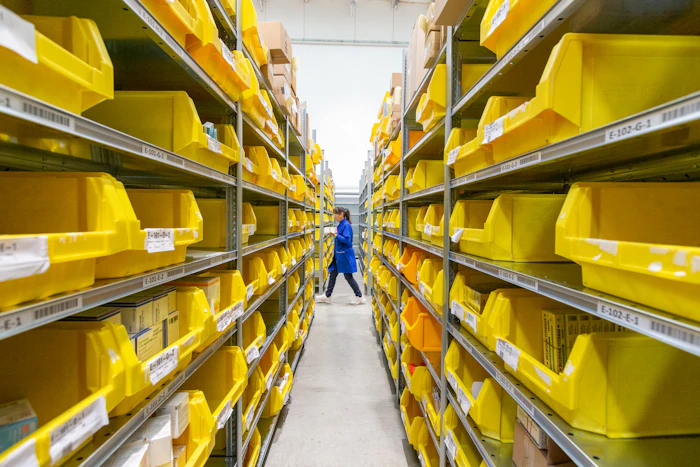
Fulfilling picking orders accurately using digital pick lists, packaging items securely for transport, applying compliant cargo labels, and pallet strapping.
 04
Warehouse Equipment & Safety
Learning rigorous German workplace safety standards (UVV), operating internal industrial handling equipment safely, and mastering ergonomic handling practices.
 05
Digital Warehouse Systems
Operating handheld barcode and RFID scanning devices, maintaining real-time digital stock records, and utilizing enterprise Warehouse Management Systems (WMS).
 06
Logistics Coordination
Understanding how material flows through storage and distribution, vehicle load securing (*Ladungssicherung*), carrier handovers, and dispatch documentation.
Understand the Financial Side Before You Apply
Under German vocational law (BBiG), apprentices receive a mandatory monthly training remuneration (*Ausbildungsvergütung*). Clear budgeting ensures a seamless transition to Germany.
Monthly Training Remuneration
Apprentices receive a monthly gross allowance specified directly in their vocational contract. Key considerations include:
- Variation by Sector: Remuneration varies depending on the employer, industry sector (logistics, wholesale, retail), and federal state.
- Collective Agreements: Many companies adhere to regional collective bargaining wage agreements (*Tarifverträge*).
- Yearly Progression: Allowances progressively increase with each completed year of training (Year 1 < Year 2 < Year 3).
- Official Contract: The official offer and binding training contract confirm the exact gross monthly remuneration.
*Figures are provided purely as an indicative guide. The official training contract provides the definitive, binding allowance.
Financial Planning Checklist
Cost of living varies across German regions. Candidates must plan their budget with foresight:
Shared student/apprentice flats (*WG*) or dormitories (typically approx. €300 to €550/month depending on city).
Subsidized transit passes (such as the *Deutschlandticket* for trainees) and daily food groceries.
Statutory health, pension, nursing care, and unemployment insurance are automatically deducted from gross remuneration.
Initial visa fees, sworn translations, flight ticket to Germany, and an emergency setup fund prior to departure.
Realistic Cost Management
The training allowance is intended to assist apprentices in covering reasonable living costs during vocational training. It should not be assumed to cover every individual lifestyle preference or family remittances.
Where Can Logistics Training Take You?
Completing a recognized German Ausbildung establishes a strong foundation across Europe’s comprehensive supply chain, manufacturing, and distribution sectors:
Warehouse Operator
Operating within high-throughput distribution hubs, managing stock turnover, and handling systematic physical storage.
Goods Receiving Associate
Managing freight intake, performing technical intake checks, verifying freight papers, and recording ERP entries.
Inventory Assistant
Conducting periodic stock audits, resolving inventory deviations, and maintaining physical stock records.
Order Picking and Dispatch Specialist
Coordinating high-volume outbound shipping lines, order consolidation, carrier staging, and route allocation.
Logistics Assistant
Supporting operations supervisors with route planning, delivery scheduling, documentation, and carrier communications.
Warehouse Logistics Specialist
Overseeing complete warehouse zones, material flows, digital tracking, and freight documentation compliance.
Warehouse or Inventory Coordinator
With suitable practical experience, demonstrated leadership, and continuing education (such as *Logistikmeister* or *Fachwirt für Güterverkehr und Logistik*), candidates can progress to supervisory roles managing warehouse shifts, teams, and facility workflows.
Career Progression Through Diligence
Professional advancement in Germany is merit-driven. Career development depends on individual qualifications, on-the-job performance, German language proficiency, employer vacancies, and dedication to additional certifications.

Your Germany Ausbildung Journey with Europe Careers
We provide structured, transparent advisory support to help Indian candidates navigate the application, documentation, and preparation journey with confidence.
Initial Profile Assessment
Comprehensive evaluation of your academic history (Class 10/12), language background, and vocational objectives.
Training Route Guidance
Advising on whether Fachlagerist (2-year) or Fachkraft für Lagerlogistik (3-year) aligns best with your profile.
German Language Guidance
Recommending structured language pathways to achieve certified proficiency (B1/B2) via recognized examination bodies.
CV & Application Documents
Assisting in crafting a German-standard tabular CV (*Lebenslauf*) and a compelling motivation statement (*Anschreiben*).
Interview Preparation
Coaching on German workplace interview etiquette, standard employer expectations, and practical mock question drills.
Employer Documentation
Guidance on reviewing the selected employer’s training contract (*Ausbildungsvertrag*) and Chamber registration paperwork.
Visa Process Guidance
Procedural walkthrough regarding German vocational training visa requirements, checklist verification, and embassy filing.
Pre-Departure Guidance
Orientation on accommodation search approaches, mandatory German statutory health insurance, and cultural preparation.
Prepare Your Application Documents
Accurate, properly formatted, and verified documentation is critical for employer evaluation and subsequent visa processing.
Required Application Documents
Machine-readable international passport with at least 12 to 18 months remaining validity.
Class 10 and Class 12 passing certificates and mark sheets, with official translations where required.
Chronological resume without chronological gaps, formatted to German standards.
Personal letter detailing your genuine interest in warehouse logistics and commitment to training in Germany.
Official exam certificate from a recognized authority (Goethe-Institut, Telc, ÖSD, or ECL) confirming proficiency.
Any prior service certificates, retail inventory experience, or practical warehouse training records.
Passport photographs, police verification documents, and medical declarations requested by the relevant authority.
Verification & Translation Standards
German academic institutions and consular services maintain rigorous document verification protocols. Incomplete dossiers or uncertified translations can result in significant delays.
- Educational records must be accompanied by certified English or German translations.
- Apostilles or attestation stamps must adhere to official German consular specifications.
- Europe Careers reviews document dossiers to verify compliance with employer standards.
Step-by-Step Application Process
A clear, structured seven-stage pathway guiding you from preliminary profile evaluation to arrival at your vocational training enterprise in Germany.
Profile Assessment
Review your educational background, interests, German language status, and vocational readiness with Europe Careers advisors.
Select a Suitable Training Route
Explore Fachlagerist/in (2-year) or Fachkraft für Lagerlogistik (3-year) based on your qualifications and employer opportunities.
Prepare German Language Skills
Work toward attaining the certified proficiency level (typically B1/B2) required for the vocational school curriculum and workplace safety.
Prepare Your Documents
Compile your professional German-format CV, tailored motivation letter, certified mark sheets, and official translations into a structured dossier.
Employer Application and Interview
Submit applications to matching training positions and complete structured video interviews with German employer representatives.
Review the Training Contract
Upon selection, review your binding *Ausbildungsvertrag* detailing monthly allowance, working hours, and holiday entitlements approved by the IHK.
Visa and Pre-Departure Preparation
Follow the official German vocational training visa process, arrange statutory health insurance, and make travel plans only after official visa issuance.
Frequently Asked Questions
Find clear, factual answers to essential questions regarding warehouse and logistics vocational training in Germany.
It is vocational training combining practical workplace learning with vocational school education in warehouse and logistics operations.
Fachlagerist/in is generally a two-year qualification focused on core warehouse operations. Fachkraft für Lagerlogistik is generally a three-year qualification with broader logistics responsibilities.
Yes, suitable opportunities may be available depending on the employer's academic requirements, language expectations, and selection process.
German is important for workplace communication and vocational school. The required level varies by programme and applicable requirements.
Eligible apprentices generally receive remuneration under their training contract. The amount varies and should be confirmed in the official offer.
The qualification can support future employment opportunities, subject to available jobs, employer selection, and applicable requirements.
Europe Careers can guide candidates on eligibility, language preparation, documents, suitable pathways, and relevant application processes according to the agreed services.
No. Applicants must meet the applicable requirements, and the responsible authorities decide the visa application.
Ready to Explore Warehouse & Logistics Ausbildung in Germany?
Take the first step towards your German vocational training journey. Understand your eligibility, prepare your language skills, and explore suitable opportunities with Europe Careers.
Personalised guidance for your Germany vocational training journey.
