01
CAREER TRAJECTORY
Professional Growth
Merit-based advancement within accredited German teaching and municipal hospitals, supported by regulated working hours and continuous medical education.

YOUR MEDICAL DEGREE. YOUR INTERNATIONAL FUTURE.
Explore the pathway from an Indian MBBS qualification to medical recognition, German language proficiency, Approbation and professional opportunities in Germany.

FROM MBBS IN INDIA TO A MEDICAL CAREER IN GERMANY.

Structured hospital environments, advanced clinical technology, and merit-driven specialist pathways for MBBS graduates.
Germany stands among Europe’s most respected destinations for Indian MBBS graduates—combining world-leading hospital systems with transparent residency entry (Weiterbildung) that requires no centralized entrance examination like NEET-PG, alongside full salaried clinical training from day one.
71,480 foreign doctors were working in Germany in 2025 — reflecting consistent year-on-year growth and sustained hospital demand for qualified international physicians across German federal states.
Source: German Medical Association (Bundesärztekammer — Ergebnisse der Ärztestatistik zum 31.12.2025).
Merit-based advancement within accredited German teaching and municipal hospitals, supported by regulated working hours and continuous medical education.
Direct hospital contract entry into structured postgraduate residency without tuition fees or quota bottlenecks across over 30 clinical disciplines.
Collective-agreement physician salaries from your first residency year, enhanced by paid on-call shifts, social security, and pension benefits.
EU Blue Card eligibility, family reunification rights, world-class public infrastructure, and Visa-free Schengen mobility across Europe.
Navigate your end-to-end medical licensing and residency journey with clarity and precision.
Recognized degree (NMC / WHO listed) aur mandatory 12-month CRMI rotation complete karein.
Apne syllabus hours, logbooks aur clinical modules ko German medical equivalency standards se match karein.
General German B2 level (Goethe / telc) clear karein, jo German visa aur preliminary filings ke liye zaroori hai.
State licensing office (Approbationsbehörde) ko apne notarized, translated documents submit karein.
State Medical Chamber (Ärztekammer) ka C1 medical communication, patient case history aur documentation exam pass karein.
Agar deficit assessment report aati hai, toh clinical equivalency exam (Internal Med & Surgery) clear karein.
Apna permanent German medical license (Approbation) ya preliminary work permit (Berufserlaubnis) issue karwayein.
Salaried Resident Doctor (Assistenzarzt) post join karein aur specialist training (Facharztausbildung) shuru karein.
Approbation is the definitive, unrestricted medical licence in Germany. International doctors trained outside the EU/EEA must successfully satisfy medical qualification recognition, certified medical German competency, personal suitability, and medical fitness requirements.
Full Permanent Medical Licensure (§ 3 BÄO)
Temporary Practice Permit (§ 10 BÄO)
Statutory Credential Verification Process
Formal filing with the state licensing body
Verification of notarized & apostilled credentials
Detailed syllabus, internship & curriculum audit
FSP (C1 Medical German) & KP as required
Award of full Approbation or Berufserlaubnis
Clinical fluency and clearing medical chamber examinations are the two critical milestones for Indian doctors. Here is your structured exam progression.
The essential communication foundation required for visa stamping and filing your dossier.
Bridging clinical terminology with conversational phrasing used by German patients.
The official medical German language exam conducted by the State Medical Chamber (Ärztekammer).
The medical equivalence exam required if your academic audit reveals substantial clinical gaps.
A structured, accredited preparation framework designed by Europe Careers Academy to bridge foreign qualifications into clinical competence and statutory medical chamber licensure.
Recognized certification (telc Deutsch B2 or Goethe-Zertifikat B2) demonstrating fluency in hospital operations.
Passive voice, indirect speech (Konjunktiv I/II), subclauses, and formal declensions.
Fluency in rapid clinical telephone communication, briefings, and native German accents.
Smooth daily conversations with patients, relatives, auxiliary staff, and nursing colleagues.
Constructive multi-disciplinary handover protocols within hospital departments.
60-minute practical clinical simulation examination administered directly by the State Medical Chamber.
Empathetic anamnesis taking in layman's German. Explaining clinical diagnosis, investigative measures, and therapies in patient-accessible vocabulary.
Drafting a structured, grammatically flawless medical report/discharge letter summarising history, examination findings, and treatment strategy.
Formal patient handover presentation to senior examiners utilizing precise Latin/Greek medical terminology and defending therapeutic reasoning.
If substantial syllabus deficits are established that cannot be balanced through clinical experience, candidate physicians must sit for the KP oral-practical examination covering:

From initial A1 German to medical C1 Fachsprache and complete Approbationsbehörde credential filing, Europe Careers provides end-to-end relocation training for doctors across India.
Following the award of your German medical license, international doctors commence paid employment as an Assistenzarzt (Resident Physician), earning a regulated monthly salary of €5,200 to €6,500+ with zero tuition fees for specialist training (Facharztausbildung).

Systemic medical management encompassing cardiology, nephrology, gastroenterology, and complex multi-organ pathology.

Operative treatment, visceral surgery, laparoscopic procedures, trauma interventions, and perioperative care.

Intraoperative anaesthesia, intensive care unit management (Intensivmedizin), emergency response, and pain therapy.

Interventional catheterization, diagnostic echocardiography, cardiac electrophysiology, and vascular therapeutics.

Acute stroke unit management, neurodegenerative care, neurophysiology (EEG/EMG), and clinical neuroimmunology.
Advanced high-resolution MRI, CT cross-sectional diagnostics, digital mammography, and vascular interventions.

Total joint replacement (arthroplasty), musculoskeletal trauma reconstruction, spinal disorders, and sports injuries.

Specialized infant acute diagnostics, perinatal neonatal intensive care, preventive medicine, and adolescent health.
Guaranteed annual increments, regulated hours, and zero tuition debt under German state contracts.
On-call & night shift allowances
Superior doctor pension fund
Statutory annual leave + CME days
Beyond career excellence, Germany offers one of the world’s highest standards of living—combining modern infrastructure, genuine work-life balance, and effortless access to the heart of Europe.
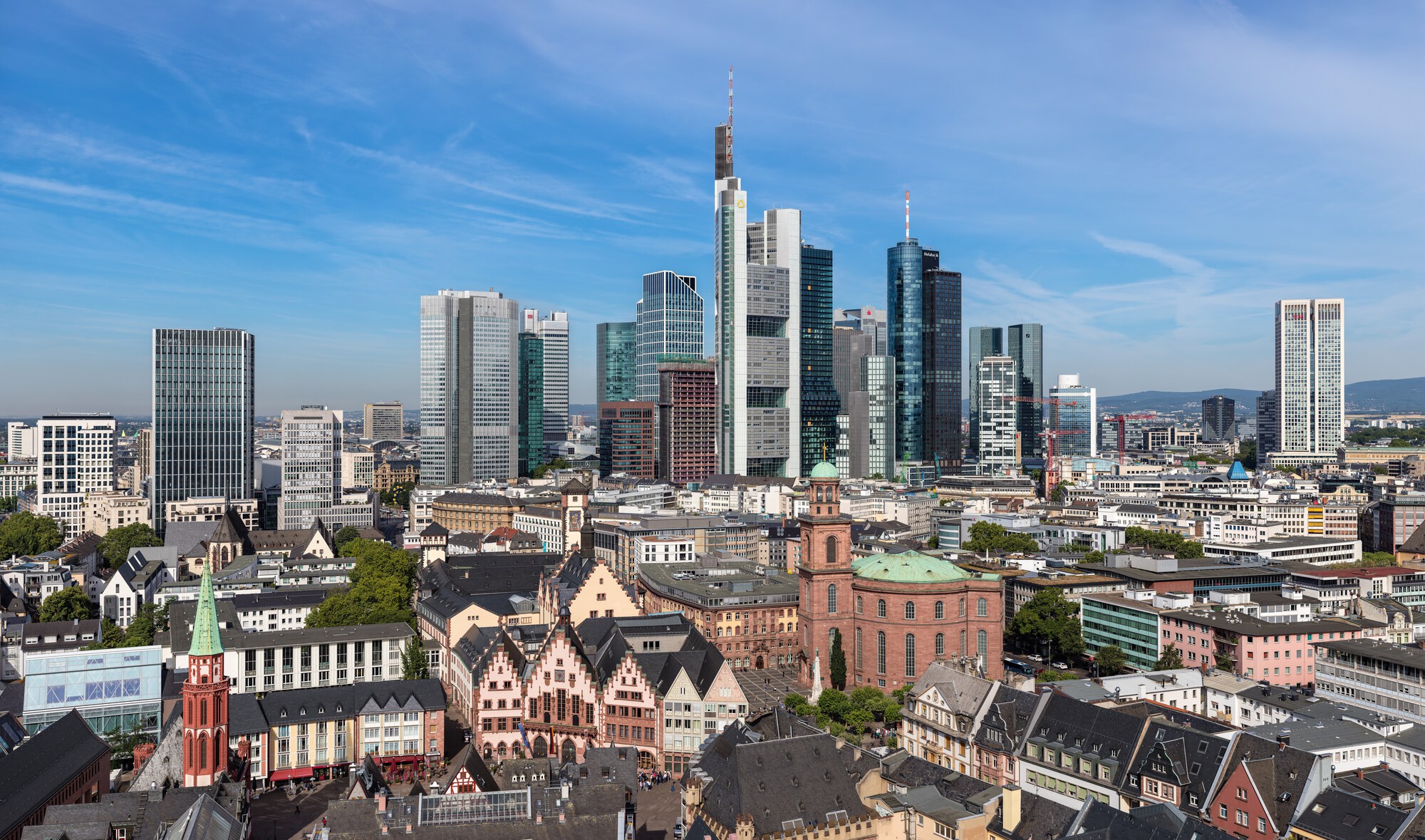
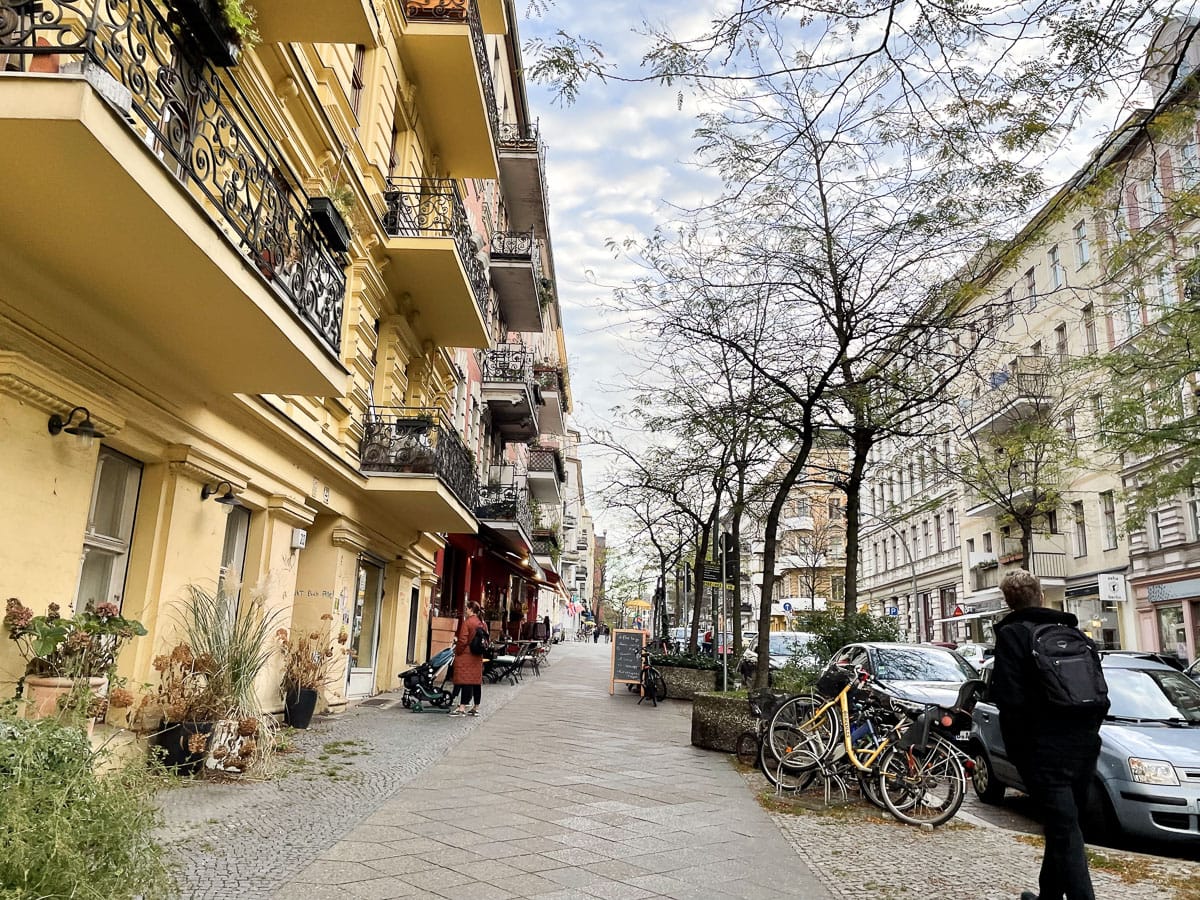




Reliable public transport, clean utilities, digital health systems, and world-class road networks.
Regulated working hours, statutory 30+ days paid annual leave, and strict limits on overtime duties.
Historic opera houses, contemporary art, seasonal street markets, and international communities.
Evidence-based clinical autonomy, protected labor agreements, and institutional career backing.
Bavarian ski slopes, North Sea coastlines, cycling circuits, and community fitness facilities.
High public safety, universal healthcare, and free education for resident families.
Practising medicine in Germany is more than a clinical milestone—it is a secure foundation for your entire family, backed by world-class social security, free quality education, and transparent pathways to permanent residency.

From peaceful suburban neighborhoods to universal child allowances (Kindergeld), Germany provides the stability you need to raise a family with complete peace of mind.
Navigating statutory German residence titles tailored to international medical graduates:
Robust social safety nets and legal protections designed to welcome your dependents:
The Niederlassungserlaubnis provides permanent, unrestricted residence and employment rights.
Before embarking on credential evaluation and medical German training, ensure your academic prerequisites and certified dossier align with state licensing criteria.

Mandatory documentation required for apostille, legalisation, certified translation, and licensing submission:
From your initial MBBS profile assessment to your preparation for a medical career in Germany, Europe Careers provides structured guidance throughout your journey.

Comprehensive audit of your MBBS curriculum, clinical hours, and logbooks against standard German medical directives to anticipate equivalence parameters.

Structured, live online and classroom coaching via Europe Careers Academy led by certified German instructors targeting Goethe and telc medical milestones.

Precise dossier compilation, sworn translations, apostille verification, and formal submission to the competent state Approbationsbehörde.

Intensive medical C1 Fachsprache coaching, simulated doctor-patient consultations (Anamnese), and clinical case review for the Kenntnisprüfung.

Direct liaison with German clinical networks, public clinics, and medical centers to coordinate clinical observer-ships and resident doctor interviews.

Guidance on 16d / 18g Blue Card visa filing, blocked account setup, German health insurance registration, and residential orientation.
Explore transparent, legally vetted answers to key questions and request a personalized review of your MBBS profile with our European team.
Yes. Indian MBBS graduates are fully eligible to practice medicine and pursue residency in Germany. However, you must first clear the medical German language exam (Fachsprachprüfung - FSP) and complete the medical equivalence evaluation leading to an Approbation or temporary Berufserlaubnis.
The MBBS qualification is evaluated individually on a case-by-case basis (Gleichwertigkeitsprüfung). While the degree from recognized Indian institutions is acknowledged as higher medical education, candidates typically must demonstrate language fluency and, where applicable, pass an equivalence exam (Kenntnisprüfung) to match the German medical curriculum.
Approbation is the permanent, unrestricted medical license issued by German state authorities under § 3 of the Federal Medical Code (BÄO). It grants full clinical autonomy to treat patients, prescribe medications, practice across all 16 federal states, and enroll in specialist training (Facharztausbildung).
Yes. A recognized B2 General German certificate (such as telc B2 or Goethe-Zertifikat B2) is mandatory. It is the legal prerequisite required to register your medical dossier with the state licensing body and qualify for the specialized C1 Medical German examination (FSP).
The FSP is a 60-minute practical clinical communication examination conducted by the State Medical Chamber (Landesärztekammer). It evaluates three stations: Doctor-Patient Consultation (Anamnese), Written Medical Documentation (Arztbrief), and Doctor-to-Doctor Case Presentation (Kollegengespräch).
The Kenntnisprüfung is a clinical equivalence examination focusing on Internal Medicine, General Surgery, and emergency pharmacotherapy. It verifies that an international physician possesses clinical knowledge equivalent to a graduate of a German medical faculty.
No, it is not automatically compulsory. It is required only if the detailed evaluation of your academic syllabus shows substantial differences compared to German medical standards that cannot be offset by certified clinical work experience. If your curriculum is evaluated as fully equivalent, direct Approbation may be granted without KP.
Yes. You can initiate document verification, certified translations, and your preliminary application file with the German state licensing authority while residing in India. However, you must travel to Germany in person to sit for the FSP and KP examinations.
Yes. In many German federal states, passing the FSP allows you to receive a temporary medical permit (Berufserlaubnis under § 10 BÄO). This permits you to work as a salaried physician under supervision while preparing for your Kenntnisprüfung.
On average, the journey spans 12 to 18 months. This timeline accounts for German language acquisition from A1 to B2 in India (approx. 6–9 months), document assessment and review by the Approbationsbehörde (3–6 months), and scheduling of the chamber FSP examination in Germany.
Yes. Germany operates a tuition-free medical specialization model (Facharztausbildung). Doctors train as paid Assistenzarzt residents in teaching hospitals over 5 to 6 years, earning full regular salaries without college fees or mandatory central NEET-PG entrance gates.
Under collective bargaining agreements (TV-Ärzte/VKA), resident physician base salaries start at approximately €5,200 gross per month (€65,000 annually), steadily rising with tenure to over €85,000 annually, excluding extra pay for on-call duties and night shifts.
Yes. Holders of an EU Blue Card or Skilled Worker residence permit have statutory rights to family reunification (Familienzusammenführung). Your spouse receives an unrestricted open work permit, and children are eligible for state health coverage and free public education.
Yes. Physicians holding an EU Blue Card can apply for a German Permanent Settlement Permit (Niederlassungserlaubnis) after 21 months with B1 German, or after 27 months with basic language knowledge, provided mandatory pension contributions are met.
Yes. Through Europe Careers Academy, we provide targeted German language courses from A1 to B2 specifically structured for doctors, followed by specialized C1 Medical German (Fachsprache) training, exam simulations, and documentation practice.
Submit your credentials for preliminary review by our European education and recruitment advisors.