
Candidate Sourcing & Screening
We review academic credentials, vocational diplomas, work history, and German language readiness against German role requirements before presenting profiles.
Europe Careers (www.europecareers.de) connects international candidates and employers with structured hiring and vocational training (Ausbildung) opportunities in Germany—built around transparent screening and clear coordination.
Operating via www.europecareers.de, Europe Careers is an international recruitment consultancy supporting overseas employment, Ausbildung pathways, and workforce recruitment into Germany.
We review academic credentials, vocational diplomas, work history, and German language readiness against German role requirements before presenting profiles.

Dedicated recruitment coordination for nurses, care staff, vocational trainees (Ausbildung), and qualified technical specialists across German sectors.

We partner with German employers and recruitment agencies to coordinate structured interviews and provide clear documentation guidance without false promises.
Six dedicated recruitment verticals designed for international candidates, vocational applicants, and hiring organizations in Germany.
Supports registered nurses, nursing assistants, and healthcare staff seeking German roles through screening, recognition readiness checks, and interview coordination.
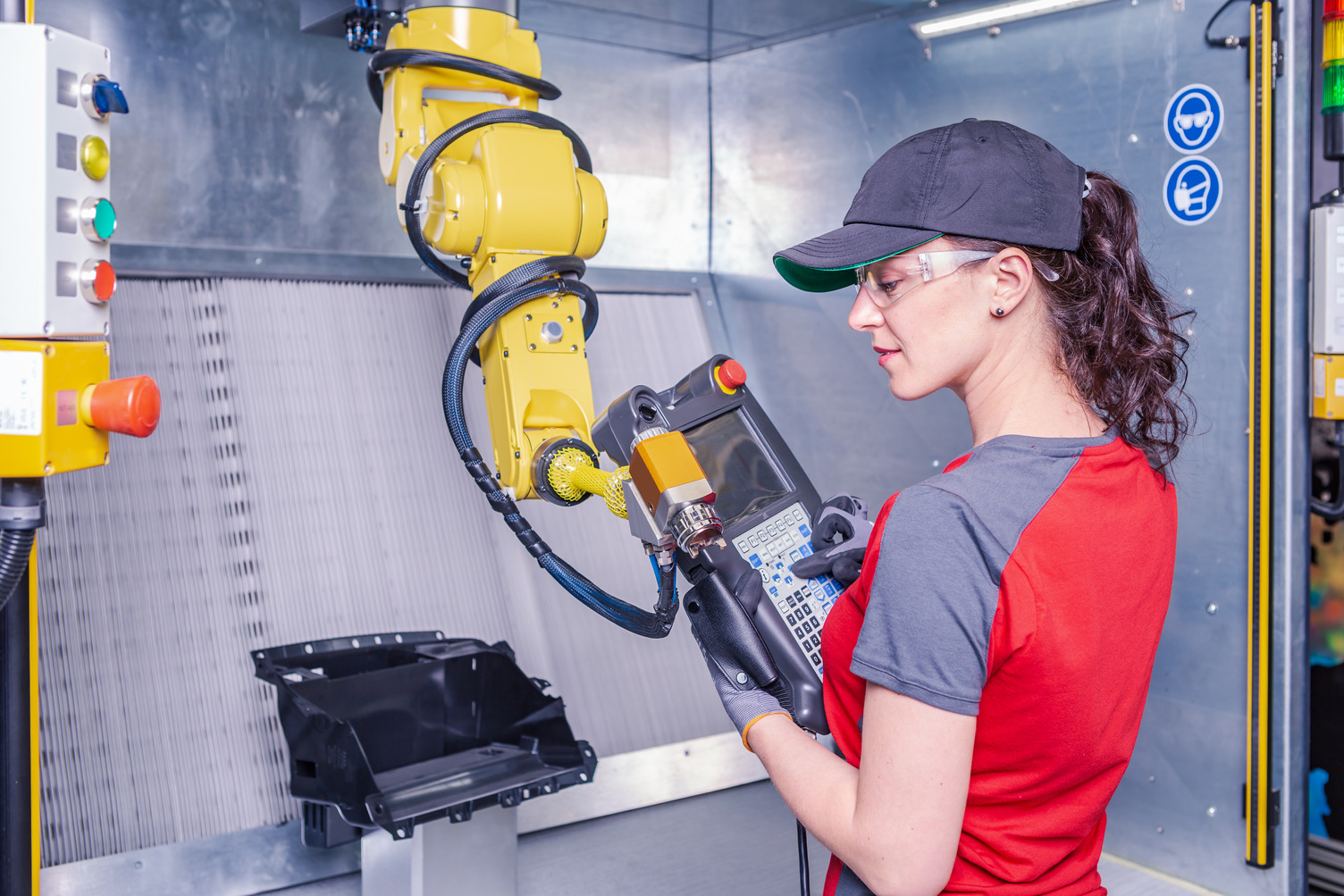
Supports qualified tradespeople, technical specialists, and Ausbildung applicants by matching verified qualifications and skills with German employer requirements.
Connects mechanical engineers, electrical engineers, and industrial technicians with engineering opportunities, assisting with technical CV alignment and interviews.
Assists chefs, cooks, housekeeping teams, and hotel staff pursuing hospitality employment or vocational hotel/culinary training across Germany.
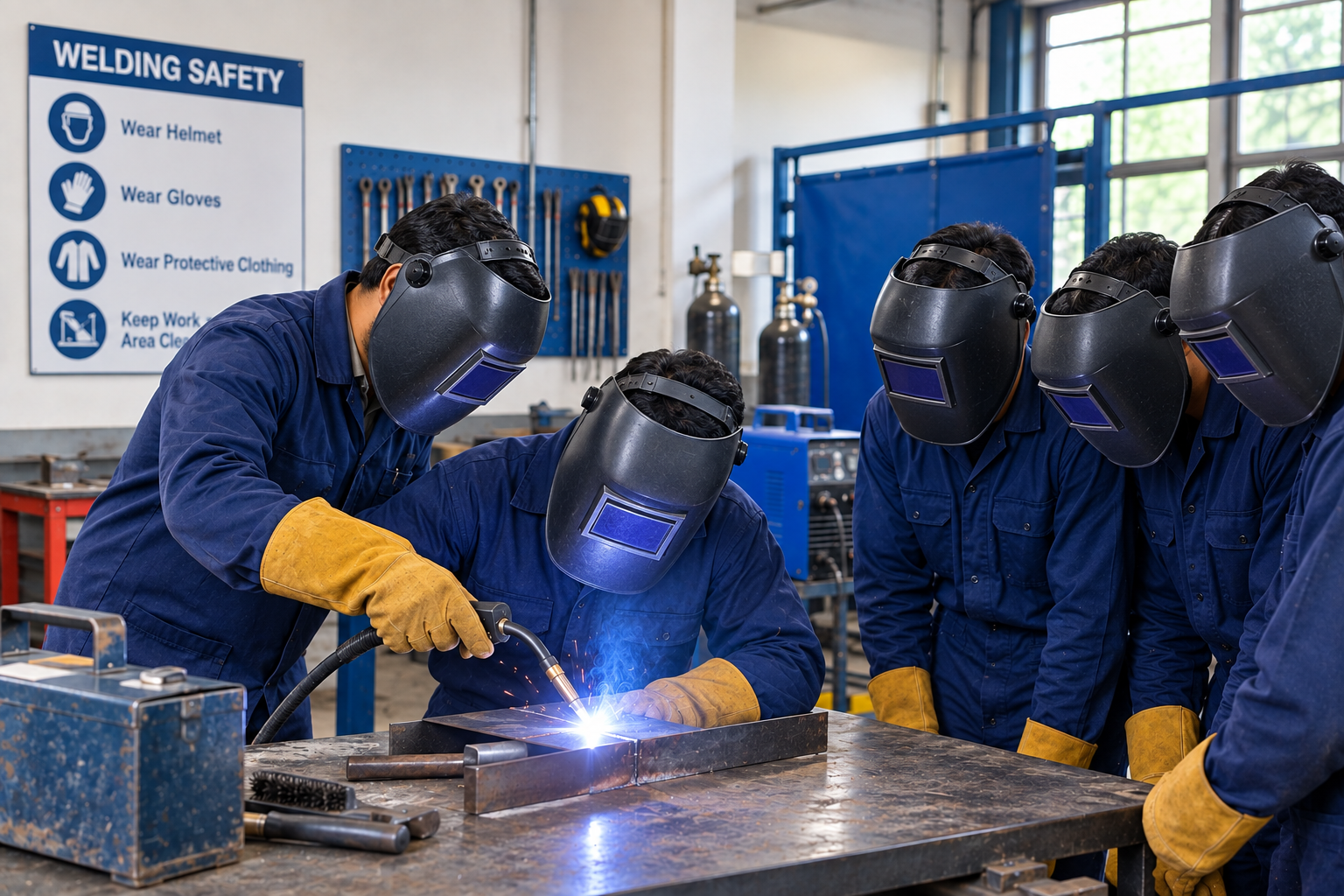
Supports welders, electricians, plumbers, carpenters, masons, CNC operators, and logistics staff with structured screening and employer interview coordination.
Helps German businesses and partner recruitment agencies source pre-screened candidates, organize interviews, and build dependable cross-border hiring pipelines.
Select an industry below to explore representative occupational categories supported by Europe Careers.
Hospitals, clinics, and elderly-care providers across Germany seek qualified nurses and care staff, subject to formal qualification recognition (Anerkennung) and German language standards.
Technical roles span industrial automation, mechanical design, electrical systems, and maintenance operations requiring verifiable credentials and hands-on problem-solving experience.
Metal construction, plant engineering, and manufacturing employers look for documented welding certificates, technical drawing literacy, and strict safety adherence.
Commercial and residential building projects across Germany rely on qualified tradespeople with proven trade credentials, safety awareness, and site communication skills.
Hotels, resorts, and gastronomy businesses value disciplined kitchen execution, guest service standards, and relevant culinary or hotel training backgrounds.
German industrial plants look for candidates experienced in CNC machining, equipment maintenance, quality assurance, and dependable shift operations.
Distribution hubs and freight operators rely on organized warehouse handling, inventory accuracy, and valid licensing where transport roles apply.
Figures below reflect indicative 2026 gross monthly ranges in Germany (where statutory minimum wage benchmarks sit around €13.90/hour gross, roughly €2,410 gross/month full-time). These are indicative benchmarks—not guaranteed offers—as actual pay varies by employer, collective agreement (Tarifvertrag), federal state, experience, and working hours.
| Job Position | Indicative Gross Monthly Salary (€) | Qualification | Experience | German Language Requirements |
|---|---|---|---|---|
| Registered Nurse | €3,100 – €4,300+ | Recognized nursing qualification & professional recognition (Anerkennung) | Clinical or care experience valued; varies by hospital/care provider | Typically B1/B2 required for clinical care & patient communication |
| MIG/MAG Welder | €2,800 – €3,800+ | Vocational/technical metalworking training & welding certification | Hands-on industrial or fabrication experience preferred | Basic to conversational German (A2–B1) commonly expected on site |
| Electrician | €2,950 – €4,100+ | Recognized electrical trade qualification / vocational training | Practical installation, industrial, or building electrical experience | A2–B1+ German typically needed for safety & technical coordination |
| CNC Operator | €2,850 – €3,850+ | Technical/vocational machining training or equivalent background | Experience operating/setting CNC machines & reading drawings | A2–B1 German often expected in production & shift teams |
| Mechanical Technician | €3,100 – €4,500+ | Technical/mechanical vocational or engineering qualification | Proven mechanical assembly, maintenance, or service experience | A2–B2 German depending on technical documentation & role scope |
| Chef | €2,650 – €3,700+ | Culinary/hospitality training or documented commercial kitchen career | Commercial kitchen, restaurant, or hotel experience | A2–B1+ German frequently required in German hotels & restaurants |
| Construction Worker | €2,650 – €3,550+ | Relevant construction/trade background or vocational training | On-site building, civil, or trade work experience | Basic to B1 German depending on crew language & safety briefings |
| Warehouse Worker | €2,450 – €3,150+ | Secondary education; logistics/forklift credentials where applicable | Warehouse picking, packing, inventory, or dispatch experience | Basic A1–A2/B1 German depending on warehouse operations |
Gross vs. Net: Your contracted gross (Brutto) salary is before employee social security deductions—covering statutory pension, health, nursing care, and unemployment insurance (generally around ~20% combined employee share, depending on age, children/care-insurance rules, and health fund rate)—and German wage tax (Lohnsteuer), which depends on your tax class (Steuerklasse) and income bracket. Your net (Netto) take-home pay is what remains after these statutory deductions.
Additional Payments & Benefits: Depending on the employer, sector, and collective agreement (Tarifvertrag), employees may also receive shift, night, weekend, or holiday allowances, overtime compensation, or annual holiday/Christmas special payments where provided by contract. Always verify exact gross/net figures and allowances in your written employment or Ausbildung contract.
Review standard documentation and qualification factors for roles and Ausbildung pathways in Germany. Checking items tracks your personal preparation only and does not guarantee visa or job eligibility.
Our seven-stage workflow brings clarity to cross-border recruitment. Actual stages and timelines vary depending on employer requirements and the specific recruitment services agreed upon.
Share your updated CV, role or Ausbildung preferences, and background details with Europe Careers.
We review work history, core skills, and alignment with German job or training categories.
Assess training credentials, experience depth, and German language readiness for target roles.
Match suitable profiles against aligned vacancies or employer/partner requisitions.
Coordinate interview scheduling, preparation guidance, and feedback loops.
Provide clear guidance on offer details and required application documentation.
Support practical pre-departure and initial onboarding coordination where applicable.
Work and residence permits for non-EU/EEA nationals in Germany are governed by the German Residence Act (Aufenthaltsgesetz). Always verify current rules, salary thresholds, and point criteria on official German portals such as make-it-in-germany.com.
Includes residence permits for skilled workers with recognized vocational or academic credentials (including recognition-partnership options) as well as the points-based Opportunity Card (Chancenkarte) for job seeking.
Designed for qualifying higher-skilled employment in Germany, subject to higher-education or qualifying ICT/skilled criteria, a qualifying job offer or contract, and statutory minimum salary thresholds.
Depending on an applicant's profile and circumstances, vocational training (Ausbildung) residence permits or specialized recognition/employment routes may be relevant.
| Permit / Route | Broad Purpose | Suitable Applicant Types | Key Considerations |
|---|---|---|---|
| Skilled Worker Visa & Opportunity Card | Skilled employment or structured job search in Germany | Qualified vocational/academic specialists and points-eligible applicants | Qualification recognition/equivalence, job offer or points criteria, and official guidance |
| EU Blue Card | Higher-skilled employment and residence in Germany | Higher-education graduates and qualifying higher-skilled professionals | Statutory salary threshold, qualifying employment contract, and official verification |
| Ausbildung & Other Routes | Vocational training or specific residence/employment pathways | Applicants pursuing dual/vocational training or specific legal categories | Training contract or route-specific rules, German language level, and embassy filing |
Partner with Europe Careers to connect open roles and Ausbildung seats in Germany with international candidates vetted for skills, experience, and role fit.
Europe Careers works with businesses and recruitment partners looking to fill critical positions across Germany's healthcare, vocational training, engineering, technical, trade, and hospitality sectors.
Structured cross-border recruitment workflows tailored to hiring timelines, role specifications, and candidate readiness.
Clear communication, structured screening, and practical coordination designed around real hiring and career needs.
Our work centers on cross-border talent matching and international recruitment coordination, keeping expectations grounded in practical market and documentation realities.
Dedicated focus on nurses, Ausbildung pathways, and skilled trades allows us to evaluate relevant credentials, technical backgrounds, and workplace suitability carefully.
We review qualifications, experience, and role alignment early so candidates apply for positions that match their background and employers receive focused shortlists.
We structure candidate presentations around what hiring teams and partner agencies actually need—clear role fit, availability, and verified capabilities.
From preparing clear application materials to scheduling interviews and sharing timely updates, we keep communication organized across time zones.
We value durable relationships with candidates, employers, and recruitment partners built on transparency, responsiveness, and dependable service delivery.
Direct answers to common questions about applying for jobs and Ausbildung in Germany, hiring international workers, and working with Europe Careers.
Europe Careers supports international candidates and employers with recruitment guidance, candidate matching and professional recruitment coordination for Germany.
Share your profile for nursing, Ausbildung, engineering, welding, construction, hospitality, manufacturing, or logistics roles.
Collaborate with Europe Careers on candidate screening, interview coordination, and ongoing workforce requirements.
Whether you are applying as a job seeker, hiring as an employer in Germany, or exploring B2B recruitment collaboration, submit your enquiry through the single form beside this card.
Fill out the form below to reach the Europe Careers recruitment team.
Clear communication, transparent screening, and practical cross-border support for candidates and employers—reach out anytime via Contact Us.