CNC Machine Operator Jobs in Slovakia 2027 – Salary, Eligibility and Work Permit Guide
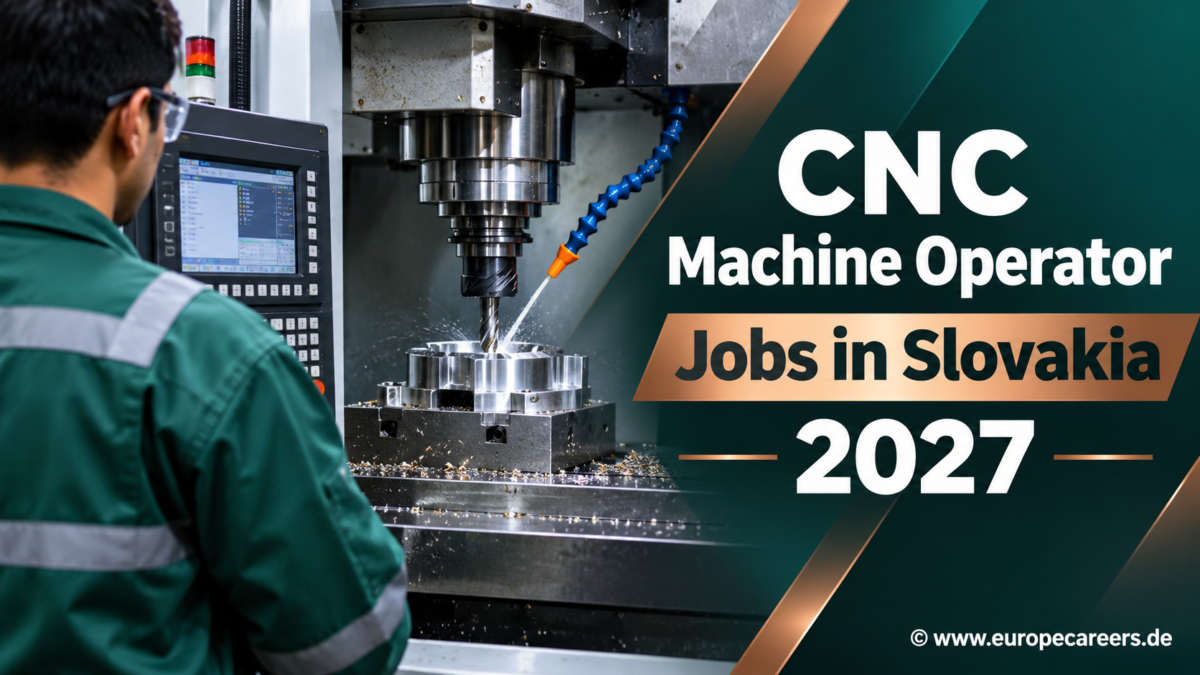
A CNC machine may run automatically, but the quality of every finished component still depends on the people operating it. From setting the workpiece correctly to checking dimensions after machining, a careful operator can prevent expensive mistakes. For Indian ITI graduates and experienced machinists, CNC machine operator jobs in Slovakia 2027 may be worth exploring when the employer’s requirements match their skills.
Slovak engineering companies use CNC equipment to produce metal components for machinery, automotive supply chains and other industries. Some vacancies are for basic machine operators; others require experienced workers who can adjust tools, read technical drawings or work independently on complex machining centres. Those differences affect eligibility, salary and the type of trade test you may face.
Europe Careers can guide Indian candidates with technical CV preparation, qualifications, documents and understanding the overseas recruitment process. This guide explains the practical steps and legal considerations. It does not promise that a particular vacancy is open to applicants from India or that employment or immigration approval is guaranteed.
CNC Machine Operator Jobs in Slovakia 2027: Quick Overview
| Topic | Information for Indian Skilled Workers |
|---|---|
| Common positions | CNC machine operator, CNC lathe operator, CNC milling operator, CNC setter, machining centre operator |
| Industries | Mechanical engineering, precision components, machinery manufacturing and automotive suppliers |
| Qualifications | ITI Turner, Machinist, Fitter, technical diploma or relevant vocational education, depending on the employer |
| Skills | Drawing reading, machine setup, tool offsets, measurement, quality checks and safety |
| 2026 salary examples | €1,031–€1,350 gross/month in selected vacancies; another listed €8.50 gross/hour |
| Language | Employer-specific; some public vacancies explicitly require Slovak |
| Work authorization | Appropriate Slovak employment residence, commonly a single permit where applicable |
| Europe Careers guidance | CV, trade skills, document checklist, recruitment and work-permit information |
What Does a CNC Machine Operator Do?
CNC stands for Computer Numerical Control. CNC machines follow programmed instructions to cut, drill, turn or mill materials into precisely shaped components. An operator may load raw material, position a workpiece, select an approved program, monitor machining and check finished dimensions.
Some operators also change worn tools, make permitted tool-offset corrections and record inspection results. More advanced positions require independent setup, interpreting technical drawings and making program adjustments. A CNC programmer’s responsibilities are not automatically the same as a CNC operator’s.
For example, a CNC lathe operator may produce shafts or cylindrical components, while a CNC milling operator may work on flat surfaces, slots and complex shapes. When preparing your CV, explain which machines and materials you have handled rather than simply writing “CNC experience.”
CNC Operator Qualifications and Salary in Slovakia – Combined Table
These salary examples are from individual Slovak job advertisements published or updated in 2026. They illustrate differences in roles, not a guaranteed national pay scale. 2027 wages and overseas recruitment eligibility must be confirmed with the employer.
| CNC Job Profile | Qualification and Experience | Published Gross Pay Example |
|---|---|---|
| CNC Operator – Považská Bystrica | Machining, tool changes, measuring finished parts, reading technical documents and basic setup | €1,031/month |
| CNC Operator – Tornaľa | Operating machining centres and related equipment; technical experience and shift work | €1,250/month |
| CNC Operator – Košice | CNC cutting equipment, drawing reading, quality checks and production tasks | €1,350/month |
| CNC Metal Machinist – Dubnica nad Váhom | Heidenhain iTNC 530, drawing reading, workpiece setup and program corrections; vocational education | €8.50/hour |
All figures are gross pay from different 2026 public vacancies. The hourly rate is not directly comparable with monthly wages without paid-hours information. Some positions require Slovak and may not recruit from outside the EU. Bonuses, accommodation, shift allowances and overtime differ by employer.
Which Indian Qualifications Are Accepted?
ITI Turner, Machinist, Fitter and related trades can provide relevant workshop knowledge. A mechanical diploma may also be useful, particularly for technical machining and setup positions. Employers assess qualifications against the actual job, so there is no universal rule that one specific Indian certificate is accepted for every CNC vacancy.
If you have completed an ITI course, mention the institution, trade, completion year and practical machines used during training. If you have factory experience, list your employer, dates and exact CNC responsibilities. A short, specific description of the machines you operated is more helpful than a long list of unrelated skills.
Europe Careers can guide you in organizing your training and experience into a technical CV. The employer decides whether your profile meets the vacancy requirements.
Essential Skills for CNC Operator Jobs
1. CNC Turning and Milling
CNC turning is commonly used for cylindrical parts, while milling can produce slots, pockets, holes and other shapes. Some factories use multi-axis machining centres. Mention whether you worked on a lathe, vertical machining centre, horizontal machining centre or another machine type.
2. Reading Technical Drawings
Machining jobs often require understanding dimensions, tolerances, surface finish and part identification. One 2026 Slovak CNC vacancy specifically stated that drawing-reading knowledge was necessary. If you can read engineering drawings, be ready to demonstrate this in a practical assessment.
3. Measuring Finished Components
Vernier calipers, micrometers, bore gauges and other measuring tools are important in precision machining. Employers may ask how you check a finished part against the drawing and what you do if a measurement falls outside tolerance.
4. Tool Selection and Offsets
Some CNC positions require changing worn cutting tools and making permitted offset corrections. You should understand the tools you have used, how you identify wear and when a supervisor or setter must approve an adjustment. Never make unapproved changes to a production program.
5. CNC Controls and Programs
Factories may use Fanuc, Siemens, Heidenhain or other CNC controls. One published Slovak vacancy mentioned Heidenhain iTNC 530. It is valuable to explain your familiarity with specific controls, but employers may provide training for unfamiliar machines depending on the role.
6. Safety and Quality Discipline
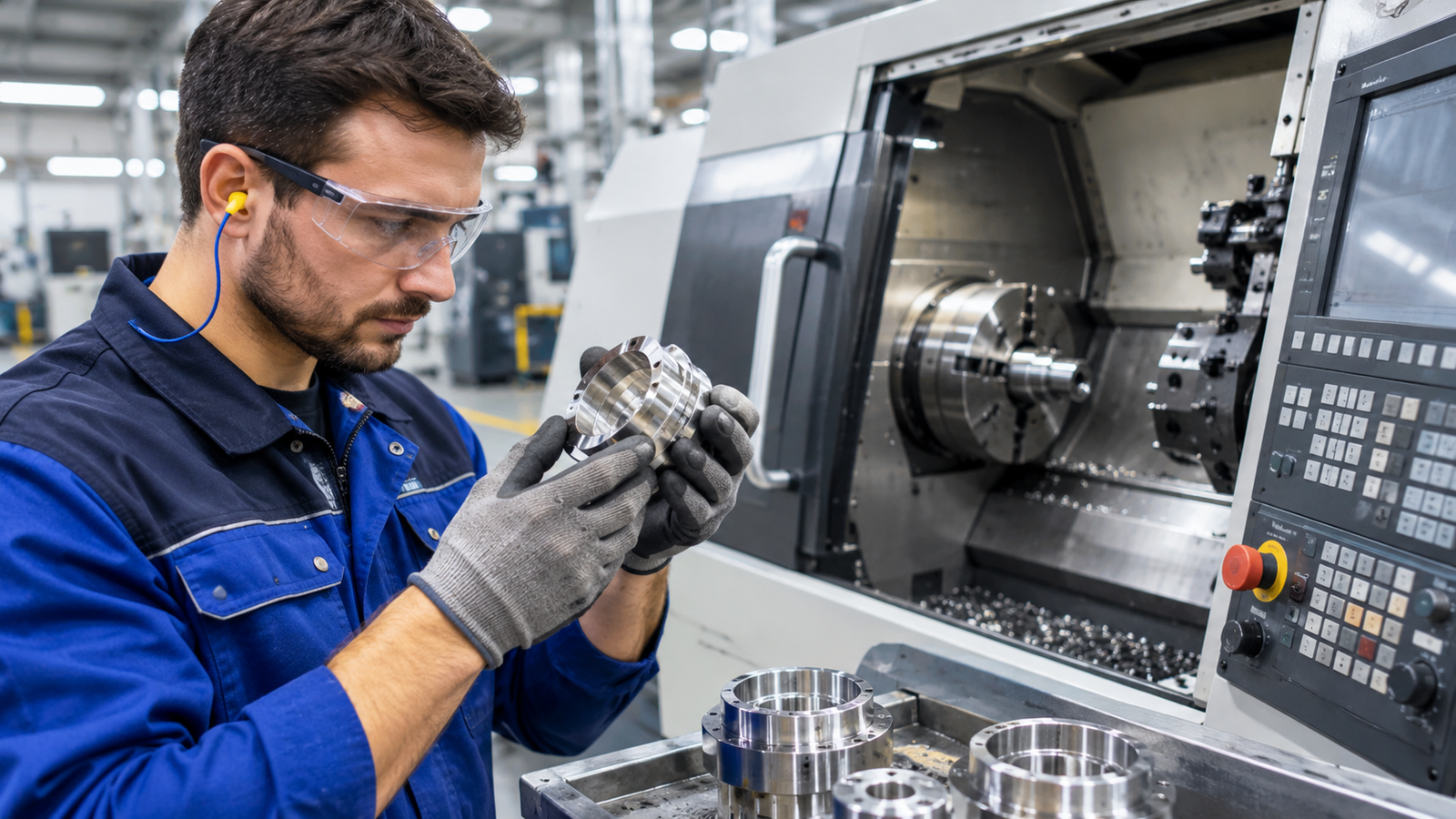
CNC machines involve moving parts, cutting tools, sharp swarf and coolant. Follow machine guards, approved procedures and PPE requirements. Never reach into moving equipment or bypass interlocks. Good operators know when to stop a process and report a problem.
Can Fresh ITI Graduates Apply?
Some CNC jobs accept recent technical graduates, while others need experienced operators who can independently set up machines and correct machining issues. A published 2026 Slovak vacancy described a role suitable for graduates but also required vocational education and Slovak language knowledge. This is why a job’s individual conditions matter.
If you have limited experience, highlight workshop training, apprenticeships, technical drawings, measurement and the CNC machines you have practised on. If your experience is mainly with conventional lathes, be clear about that distinction rather than claiming independent CNC setup experience.
Where Are CNC Jobs Available in Slovakia?
Public CNC job advertisements have appeared in Považská Bystrica, Tornaľa, Košice and Dubnica nad Váhom. These locations illustrate the range of engineering workplaces in Slovakia. However, a vacancy advertised locally does not automatically mean that its employer can or will recruit a candidate living in India.
Before applying, confirm whether the company considers non-EU candidates, the factory’s exact location and whether accommodation is available. Some CNC roles operate rotating shifts, including nights. Others offer regular daytime schedules.
CNC Operator Salary, Overtime and Accommodation
Most Slovak job advertisements quote gross wages before employee taxes and social contributions. An advertised salary of €1,350 gross is not €1,350 take-home pay. Some companies also offer shift premiums, attendance bonuses or travel and accommodation support, but these are not universal benefits.
One 2026 CNC advertisement in Tornaľa described bonuses and potential accommodation support. Those terms belonged to that employer and cannot be assumed for other vacancies. Before accepting a job, request a written breakdown of basic pay, shifts, overtime, housing, transport and deductions.
Indian workers planning to send money home should estimate savings after rent, food, transport and personal expenses. Europe Careers can guide you on the questions to ask about the offer, while the employer is responsible for accurate contract terms.
Recruitment Process for Indian CNC Operators
A credible overseas recruitment process should evaluate your technical skills and confirm that the employer can consider applicants from India. Some companies may conduct a video interview; others may request a practical assessment or evidence of past machining work.
- Prepare your technical profile: list CNC machine types, controls, materials, measurements and work history.
- Organize documents: keep ITI or diploma certificates, experience letters and an updated CV ready.
- Confirm employer eligibility: check whether the vacancy is open to non-EU candidates.
- Prepare for trade assessment: revise drawing reading, measurement, tool offsets and safe machining procedures.
- Review the offer: verify gross wage, shifts, accommodation, workplace and deductions.
- Follow the legal employment process: understand the employer’s obligations and your residence application.
- Plan travel only when appropriate: do not rely on verbal promises or tourist visas for employment.
Slovakia Work Permit and Single Permit Process for Indians
Indian citizens generally require an appropriate legal basis for paid employment in Slovakia. A common route is temporary residence for employment based on a Labour Office confirmation that a vacancy may be filled, often called a single permit. Other routes and exceptions can apply depending on the circumstances.
Under IOM Slovakia guidance updated in August 2026, the prospective employer generally reports the vacancy to the Labour Office at least 20 working days before requesting confirmation, subject to exceptions. The employer requests the confirmation and the applicant follows the residence procedure. For a single permit, the application normally must be submitted within 180 days after the confirmation is issued.
Official processing and the right to start work depend on the applicant’s circumstances and applicable legal conditions. A tourist visa alone does not authorize ordinary paid CNC employment. Europe Careers can guide candidates in understanding the general steps and preparing questions, but Slovak authorities make official decisions.
Documents to Prepare Before Applying
Keep a valid passport, updated CV, ITI or technical diploma, apprenticeship certificates and employment records ready. If you have CNC-specific training, include the machine types, control systems and duration of training. The residence process may also require criminal-record documents, accommodation evidence, application forms and properly translated or legalized records.
Do not pay for unnecessary translations or certificates before confirming the employer’s and competent authorities’ requirements. Europe Careers can help you organize a practical document checklist.
How to Prepare for a CNC Trade Test
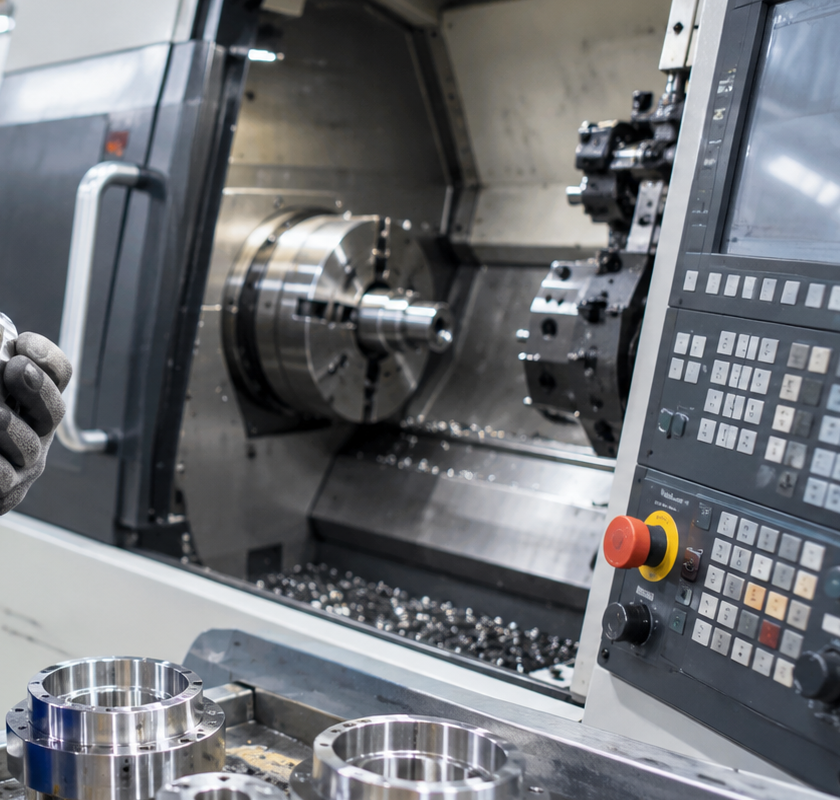
Employers may ask you to interpret a drawing, measure a component, identify cutting tools or explain a machine setup. An experienced operator may be asked about offsets, tool wear, alarms or basic program corrections. Prepare examples from machines you have actually used.
If you have worked with Fanuc, Siemens or Heidenhain, be specific about whether you operated the machine, changed tools, set offsets or wrote programs. These are different levels of responsibility. Clear answers are more useful than exaggerated claims.
Common Mistakes to Avoid
Do not confuse a CNC operator with a CNC programmer or setter. Avoid submitting a generic CV without machine types or control experience. Check whether a salary figure is hourly or monthly, and whether bonuses are guaranteed or variable.
Be cautious of agents who promise guaranteed visas, refuse to identify the employer or request payments without a written agreement and receipt. Confirm the workplace, contract and legal employment route before spending money or leaving your current job.
Frequently Asked Questions – CNC Machine Operator Jobs in Slovakia 2027
Click a question to expand the answer. For personal guidance, contact Europe Careers.
Can Indian ITI candidates apply for CNC machine operator jobs in Slovakia in 2027?
Yes, if an employer accepts their qualifications, practical experience and language skills. ITI Turner, Machinist, Fitter or related technical training may be relevant, but overseas recruitment eligibility must be confirmed for each vacancy.
What is the salary of a CNC operator in Slovakia?
Published 2026 Slovak job advertisements included €1,031, €1,250 and €1,350 gross per month. Another position listed €8.50 gross per hour. These are individual vacancy examples, not guaranteed wages or confirmed 2027 salary rates.
Is CNC programming compulsory for an operator?
Not always. Basic operator roles may involve loading parts, monitoring cycles and measuring finished components. Setup and programming positions often require tool offsets, program corrections and deeper technical knowledge.
Is a mechanical engineering degree required?
Not for every vacancy. Some employers accept vocational or secondary technical education. A diploma or additional CNC training can help for more complex work.
Do CNC operators need to know Fanuc, Siemens or Heidenhain?
The required control depends on the employer. Some machines use Fanuc, Siemens, Heidenhain or other systems. Describe only the controls you have actually used.
Is Slovak or IELTS required?
There is no universal IELTS requirement. Some advertised CNC jobs explicitly require Slovak for workplace communication, while others may use a different language. Confirm the requirement before applying.
Can Europe Careers guarantee a job or work permit?
No. Europe Careers can guide CV preparation, documents and recruitment readiness. Employers make hiring decisions and Slovak authorities decide residence applications.
How do I contact Europe Careers?
Visit the Contact Us page with your updated CV, ITI or diploma, machine types, CNC control experience and employment history. The team can discuss suitable preparation and next steps.
How Europe Careers Can Help
Europe Careers can guide Indian skilled workers in presenting their CNC experience, preparing a professional technical CV, organizing qualifications and understanding recruitment requirements. We can also help candidates identify questions about salary, shifts, language requirements and the general residence process.
Our focus is informed preparation. We cannot guarantee vacancies, employer selection, job offers or immigration approvals.
Contact Europe Careers
Interested in CNC machine operator jobs in Slovakia 2027? Share your CV, ITI or diploma, years of machining experience, CNC controls and machine types. Our team can discuss the guidance available for your profile and suitable next steps.