
OT Technician in Germany (OTA) for Indian Candidates
Build a High-Demand Surgical Career in Germany’s Modern Operation Theatres with Attractive Salaries and Free Dual Training.

Operationstechnische Assistenz (OTA)
High surgical shortage across all 16 German federal states
What Is an Operationstechnischer Assistent (OTA)?
In Germany, an Operation Theatre Technician is formally designated as an Operationstechnische Assistentin or Operationstechnischer Assistent (OTA).
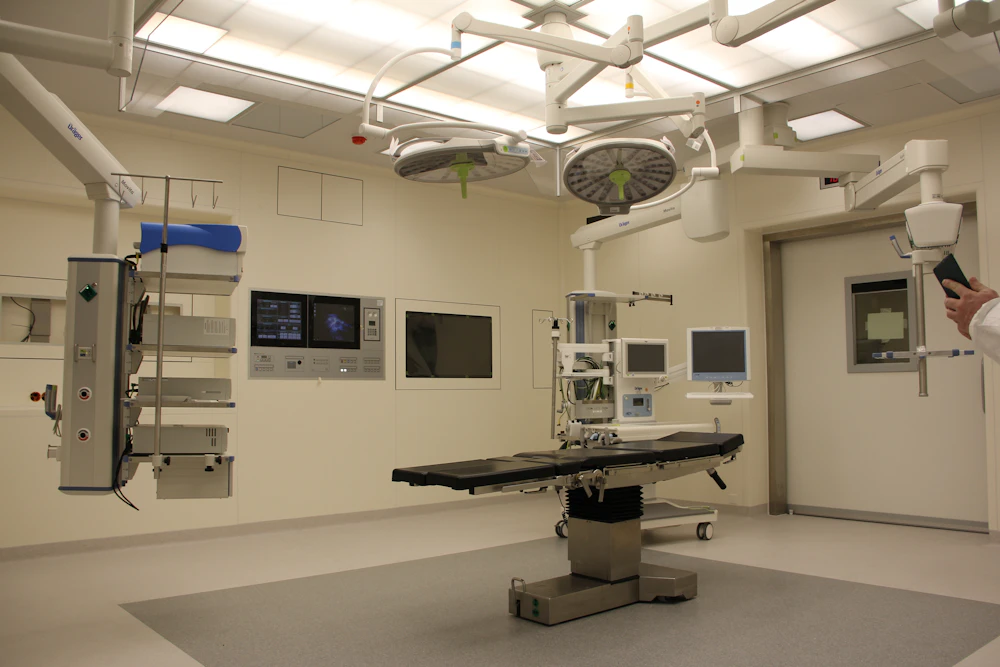
Unlike many general auxiliary roles worldwide, the German OTA qualification is governed by national federal law (ATA-OTA-Gesetz / ATAOTAG). OTAs are specialized, highly valued surgical team members who work in sterile surgical suites alongside operating surgeons, anesthesiologists, and nursing coordinators.
German hospitals (Kliniken and Universitätskliniken) face an acute shortage of trained surgical technicians, offering international candidates exceptional job security, modern infrastructure, and legally protected tariff salaries.
Key Characteristics of the OTA Role
The role combines deep clinical anatomy with advanced surgical technology and sterile protocol management:
- Active scrub instrumentation during complex surgical operations
- Preparation and calibration of robotic and laparoscopic devices
- Rigorous infection control and asepsis management (RKI guidelines)
- Regulated under German public hospital tariffs (TVöD-P / TV-L)
Two Distinct Pathways for Indian Candidates
Whether you are a recent school graduate or an experienced OT professional in India, Germany provides a structured immigration and career route.
3-Year Dual OTA Ausbildung
Designed for 12th standard graduates (preferably Science / Biology) or diploma holders seeking full German vocational education.
- 100% Tuition-Free state-recognized training
- Earn €1,200 to €1,500/month (₹1.27L to ₹1.59L) stipend
- Combination of hospital practicals and nursing school
- Guaranteed hospital job offer upon passing state exam
Direct Recognition (Anerkennung)
Designed for Indian graduates holding a B.Sc. in Operation Theatre Technology or Diploma in OTT with clinical hospital experience.
- Formal evaluation of Indian degree transcripts
- Start working as Assistant OT Tech during adaptation
- Full salary starting from €3,300 to €4,200+/month (₹3.50L to ₹4.45L+)
- Fast-track recognition under state healthcare authorities
Salary & Stipend Breakdown in Germany
Both training stipends and qualified salaries are protected by hospital collective bargaining agreements (such as TVöD-P for public clinics and AVR for church-run hospitals).
| Training Phase / Professional Level | Monthly Gross Compensation (EUR & INR at 106 INR/EUR) |
|---|---|
| Ausbildung — Year 1 First year dual vocational training stipend | €1,200 – €1,340 Approx. ₹1.27 Lakhs – ₹1.42 Lakhs / month |
| Ausbildung — Year 2 Second year dual vocational training stipend | €1,250 – €1,400 Approx. ₹1.32 Lakhs – ₹1.48 Lakhs / month |
| Ausbildung — Year 3 Final year dual vocational training stipend before board exam | €1,350 – €1,500 Approx. ₹1.43 Lakhs – ₹1.59 Lakhs / month |
| Qualified OTA (Starting Base Pay) Year 1 to Year 3 post-qualification under TVöD-P pay group | €3,300 – €3,800 Approx. ₹3.50 Lakhs – ₹4.03 Lakhs / month |
| Experienced OTA / Department In-Charge Advanced instrumentation, specialist surgery coordinator | €3,800 – €4,500+ Approx. ₹4.03 Lakhs – ₹4.77 Lakhs+ / month |
Clinical Responsibilities in the German OT
German surgical theatres operate under strict hygiene protocols and advanced biomedical technologies, where OTAs maintain core workflow authority.
Sterile Pre-Op Setup
Organizing sterile surgical tables, instrument counts, drapes, and specialized surgical trays tailored to the surgical intervention.
Sterile Scrub Assisting
Handing precision surgical instruments, sutures, and implants directly to the operating surgeons throughout complex procedures.
Circulating Management
Acting as the non-sterile circulating team lead (Springer), managing unsterile supplies, documentation, and surgical equipment checks.
Endoscopy & Device Calibration
Operating video endoscopy towers, electrosurgical generators, surgical microscopes, and robotic navigation equipment.
Sterility & Infection Control
Enforcing German hospital hygiene regulations (Robert Koch Institute guidelines) to prevent surgical site infections.
Specimen & Post-Op Care
Securing biopsy specimens for pathology, managing surgical counts, and coordinating with Central Sterile Services (AEMP).
Eligibility Criteria for Indian Candidates
Requirements vary depending on whether you are pursuing the dual Ausbildung apprenticeship or direct qualification recognition.
Academic Background
12th standard (Higher Secondary) with Biology/Science for Ausbildung, or Diploma / B.Sc. in Operation Theatre Technology for recognition.
German Language Proficiency
B1 or B2 level German language certification (Goethe-Institut, telc, or ÖSD) is essential for visa issuance and hospital patient safety.
Medical & Physical Suitability
Physical fitness to withstand long surgical procedures standing, absence of chronic communicable diseases, and mandatory vaccinations (e.g. Hepatitis B, Measles).
Clear Police Verification
Clean background check and Police Clearance Certificate (PCC) without any criminal record.
German Language Roadmap for OT Technicians
In high-stakes surgical environments, clear verbal communication is essential for teamwork, sterility protocols, and patient safety.
Basic Everyday German
Mastering daily conversations, everyday vocabulary, basic grammar foundations, and standard listening comprehension skills.
Hospital & Professional German
Communicating fluently with doctors, patients, and hospital staff. Understanding surgical briefs, emergency alarms, and shift handovers.
Fachsprache OP
Specialized surgical nomenclature: German and Latin terms for surgical instruments (Klemmen, Pinzetten, Skalpelle), anatomy, and sterile orders.
Documents Required for Germany
Ensure all papers are authenticated with apostilles and sworn German translations before submitting to state authorities or German employers.
Valid Passport
Clear colour scan of front and back pages with at least 18 months validity remaining.
10th & 12th Certificates
High school marks sheets and passing certificates with certified German translations.
OTT Degree / Diploma
For recognition applicants: B.Sc. or Diploma certificates with complete semester transcripts.
Internship / Service Letters
Clinical service verification letters documenting OT scrub and circulating experience.
German Language Certificate
Official B1 or B2 certificate from Goethe-Institut, telc, or recognized test centres.
German-Format CV & Cover Letter
Tabular Lebenslauf in German highlighting clinical rotations, OT skills, and motivations.
Police Clearance (PCC)
Recent police certificate from the Regional Passport Office confirming clear standing.
Medical Fitness Certificate
Official medical clearance letter declaring fitness for surgical healthcare work.
Vaccination Record
Proof of immunization against Hepatitis B, Measles, and standard hospital requirements.
Cost of Living & Social Benefits in Germany
An OTA salary or Ausbildung stipend comfortably covers living costs in Germany, allowing significant monthly savings.
Subsidized Housing
Many German hospitals provide affordable nurses’ dormitories or subsidized apartments for trainees and healthcare staff.
Food & Groceries
Supermarkets (Aldi, Lidl, Rewe) offer high-quality food, fresh produce, and hospital staff canteens offer discounted meals.
Public Transport
The nationwide Deutschlandticket covers all regional trains, buses, and subways across Germany for unlimited monthly travel.
Complete Healthcare Cover
Comprehensive statutory medical insurance covers all doctor visits, hospitalizations, paid sick leave, and future pension rights.
Additionally, employees in Germany enjoy 30 days of paid annual vacation, public holiday pay, and legal protection against wrongful termination.
Career Growth & Pathway to German Permanent Residency
Becoming an OTA provides a secure, permanent settlement pathway in the European Union.
Ausbildung / Recognition
Complete 3-year dual training or adaptation period with full hospital stipend.
State Board Exam
Pass the practical and oral board exam to receive your official German state OTA license.
Permanent Work Contract
Immediate permanent employment in surgery departments earning €3,300 to €4,200+/mo.
Permanent Residency (PR)
Eligible for German Permanent Residency (Niederlassungserlaubnis) after 3 years.
German Citizenship
Opportunity to obtain German citizenship and European passport under updated nationality laws.

How Europe Careers Supports Indian OT Technicians
We provide structured, reliable guidance from language training in India to hospital placement and settling in Germany.
1. Profile Assessment
Evaluating 12th marks or B.Sc./Diploma OTT credentials for the best German route.
2. Language Coaching
Structuring fast-track German language courses from A1 to B2 level.
3. Certified Translations
Arranging sworn German translations, apostilles, and document verification.
4. Direct Hospital Interviews
Scheduling online interviews with German hospital directors and training schools.
5. Visa Dossier Support
Assistance in preparing German national visa applications with zero tuition fees.
6. On-Arrival Relocation
Guidance on accommodation, airport pickup, bank account opening, and city registration.
Europe Careers provides educational advisory, language guidance, and recruitment facilitation. We do not charge illegal placement fees and work directly with accredited German healthcare employers and schools.
Speak to Europe CareersFrequently Asked Questions
Get factual answers to common questions about OTA training, recognition, salaries, and visas in Germany.